Biggest Upsets in Boxing History: Top 10 Shocks Ranked by the Odds
Buster Douglas knocking out Mike Tyson at 42-1 in Tokyo is the biggest upset in boxing history, ahead of Andy Ruiz Jr. over Anthony Joshua and Hasim Rahman over Lennox Lewis.
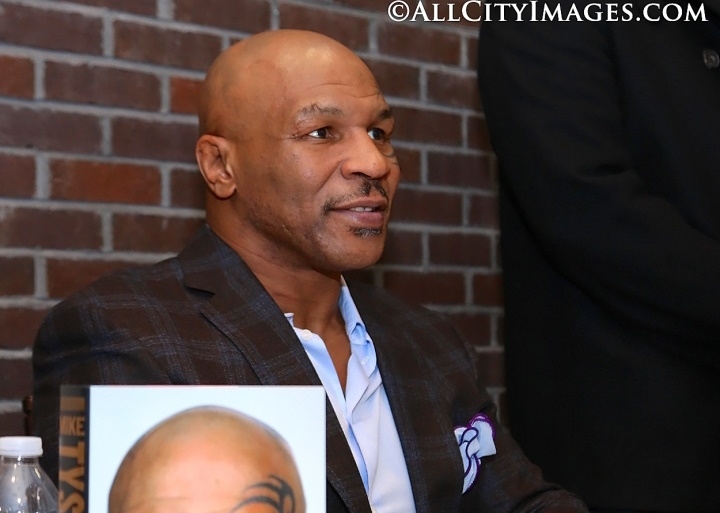
The biggest upset in boxing history is Buster Douglas knocking out Mike Tyson at the Tokyo Dome on February 11, 1990, as a 42-1 underdog. Nothing else comes close on the betting line, but Andy Ruiz Jr. stopping Anthony Joshua at 25-1 and Hasim Rahman flattening Lennox Lewis at 20-1 belong in the same conversation.
I ranked these ten by the odds where a line was recorded, then by how much the result rearranged the sport. A few of the old ones predate modern sportsbooks, so the numbers come from contemporary newspaper lines quoted in the sources below. Where no reliable line exists I say so.
One rule for this list: the favorite had to be a genuine great or an unbeaten champion at the time, and the underdog had to have no business winning on paper. Fun upsets in club fights do not count. These ten changed careers, bank accounts and the heavyweight map.
- Biggest upset
- Douglas KO10 Tyson, 42-1 (1990)
- Longest modern line
- Ruiz Jr. over Joshua, 25-1 (2019)
- Oldest on the list
- Braddock over Baer, 10-1 (1935)
- Quickest revenge
- Lewis KO4 Rahman, 7 months later
- Fewest pro fights
- Leon Spinks, 7 fights before Ali
01Buster Douglas KO10 Mike Tyson (42-1)
Tokyo Dome, February 11, 1990. Tyson walked in as the undefeated, undisputed champion, holding the WBC, WBA and IBF belts, fresh off a 93-second knockout of Carl Williams. Douglas was ranked No. 7 by The Ring and had lost to Tony Tucker by 10th-round stoppage in 1987. Some books had the line at 35-1. The famous number, 42-1, is the one that stuck.
Douglas boxed the fight of his life for nine rounds, then survived the moment that nearly erased all of it. In the final ten seconds of the eighth, Tyson landed a right uppercut that put Douglas down. He got up as referee Octavio Meyran reached nine, and the bell saved him. Don King screamed about a long count for days.
In the tenth, Douglas landed an uppercut, followed with four more punches, and Tyson was counted out on his knees, fumbling for his mouthpiece. The WBA and WBC briefly suspended recognition of Douglas as champion. Four days later the protest collapsed and the result stood. It is still the measuring stick for every upset in every sport.
02Andy Ruiz Jr. TKO7 Anthony Joshua (25-1)
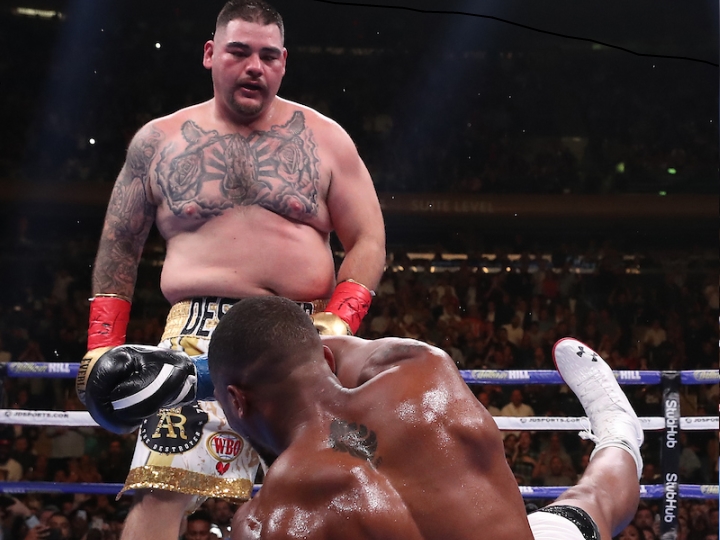
Madison Square Garden, June 1, 2019. Joshua was 22-0 with 21 knockouts and making his American debut with the WBA, IBF, WBO and IBO belts. Ruiz was not even the planned opponent. Jarrell Miller failed three VADA tests, New York denied him a license, and Ruiz put his name forward. Terms were agreed within a week and the fight was confirmed on May 1.
Ruiz, 32-1, opened at 25-1 and was still around 13-1 at the opening bell. Joshua dropped him in the third and looked ready to close the show. Instead Ruiz got up and put Joshua down twice before the round ended. Two more knockdowns came in the seventh, at 2:27 and 1:59 remaining, and referee Michael Griffin waved it off.
Two judges actually had Ruiz ahead 57-56 at the stoppage. Joshua reportedly earned around $25 million and Ruiz about $7 million. Joshua won the rematch later that year, but the first fight is the one that follows him.
03Hasim Rahman KO5 Lennox Lewis (20-1)

Carnival City, South Africa, April 22, 2001. Lewis was the recognized heavyweight champion of the world and treated the trip like a routine defense. Rahman was quoted anywhere from 16-1 to 20-1. He landed one straight right hand in the fifth round and Lewis went down flat.
The rematch tells you how big the upset was. On November 17, 2001 at Mandalay Bay, Lewis knocked Rahman out in the fourth round and took back the WBC, IBF and IBO titles. Rahman was paid $10 million for that night and Lewis $11 million, which means a 20-1 shot turned one punch into the biggest payday of his life twice.
04Randy Turpin W15 Sugar Ray Robinson (20-1)
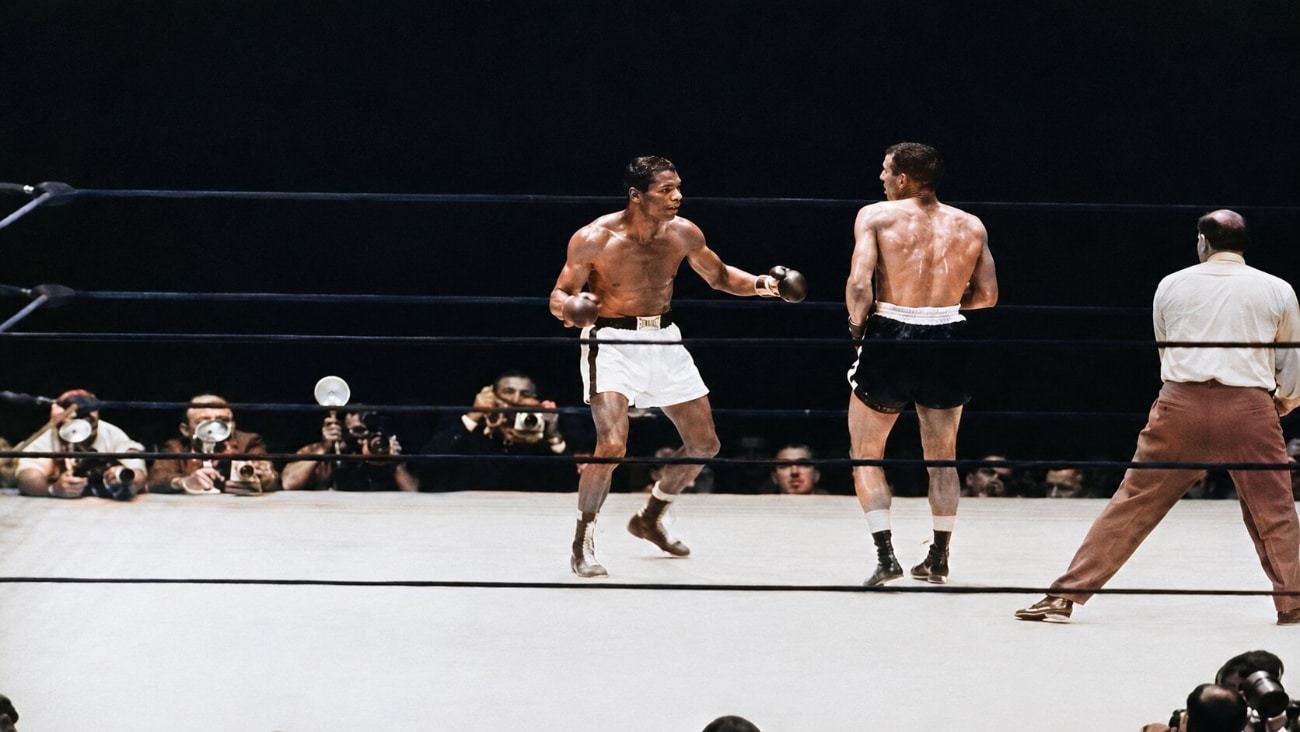
Earls Court, London, July 10, 1951. Robinson had taken the middleweight title from Jake LaMotta five months earlier and was touring Europe, fighting eight non-title bouts along the way. London paid him $84,000, a record for a fighter in a British ring. Turpin, a 20-1 longshot in Fight City's accounting, outboxed him for 15 rounds and took the title on points, ending a run of around 90 fights without a loss.
Robinson got it back a few months later with a 10th-round stoppage. Turpin never reached that height again, but one night in London he beat the man most people still call the best pound-for-pound fighter who ever lived.
05Cassius Clay RTD6 Sonny Liston (7-1 to 8-1)

Miami Beach, February 25, 1964. Liston was the most feared heavyweight on earth and Clay was a loud young contender most writers expected to get hurt. The line was 7-1 or 8-1 depending on the source. Clay outboxed Liston for six rounds, and Liston stayed on his stool before the seventh.
The rematch in Lewiston, Maine on May 25, 1965 ended in the first round and produced the most famous boxing photo ever taken. The first fight is where the Ali era actually started.
06Evander Holyfield TKO11 Mike Tyson (25-1 opening line)
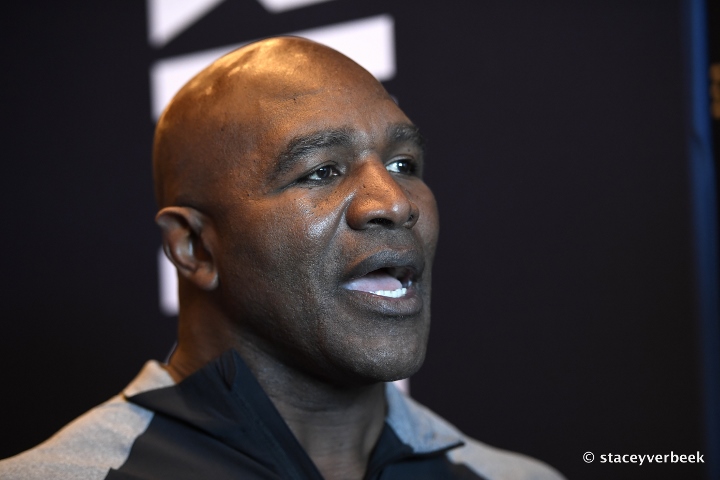
Las Vegas, November 9, 1996. Holyfield was widely written off as a faded former champion, and the books opened him at 25-1. Enough smart money came in that the line closed near 5-1, which is why this one sits below the longer shots even though it felt just as impossible in the room.
Holyfield fought Tyson the way nobody had since Douglas: head-on, with a longer jab and a shoulder in the chest. Tyson got battered along the ropes late until referee Mitch Halpern stopped it in the eleventh. The rematch on June 28, 1997 ended with Tyson disqualified for biting Holyfield's ears.
07Max Schmeling KO12 Joe Louis (10-1)
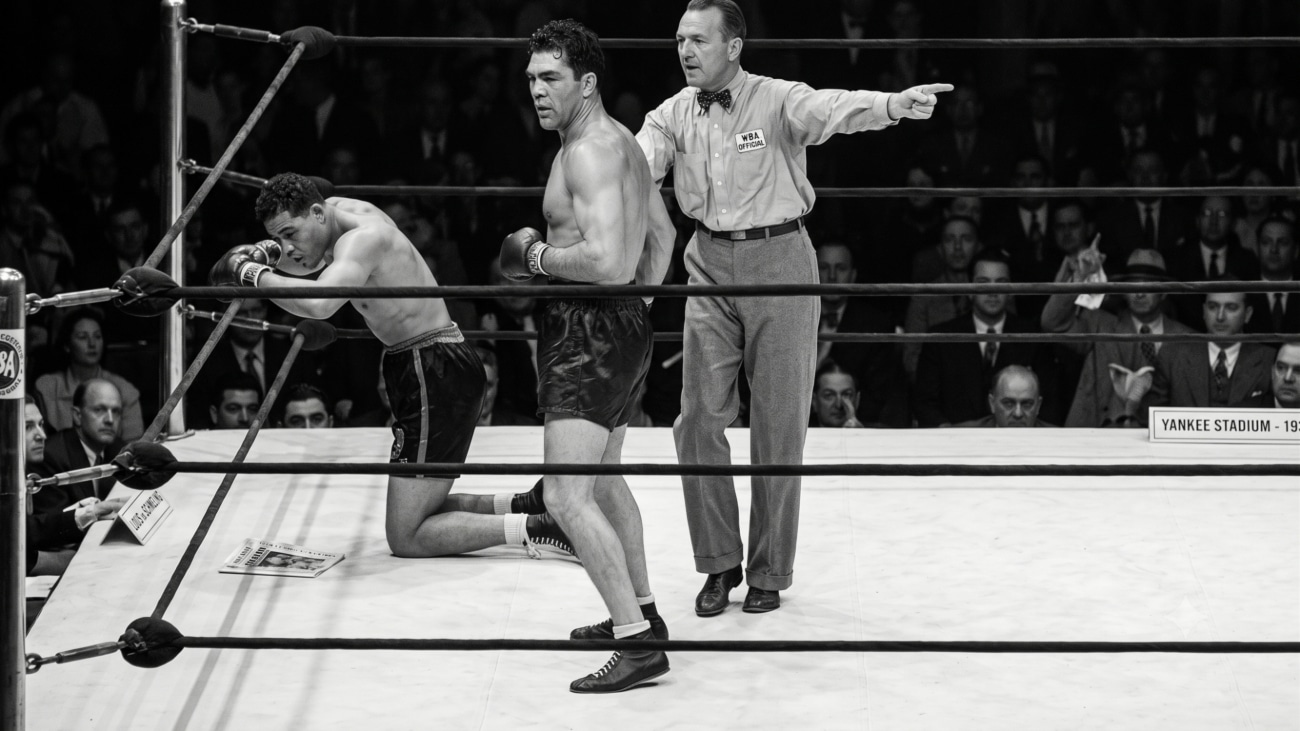
Yankee Stadium, June 19, 1936. Louis was 27-0 and being lined up for a title shot. Schmeling, a 10-1 underdog, studied film, found that Louis dropped his left hand after jabbing, and spent twelve rounds timing a right hand over the top. Louis was knocked out in the twelfth.
The rematch on June 22, 1938, again at Yankee Stadium in front of more than 70,000, lasted two minutes and four seconds. Louis dropped Schmeling three times. The first fight remains the biggest upset of Louis's career and the only loss in his prime.
08Leon Spinks W15 Muhammad Ali (10-1)
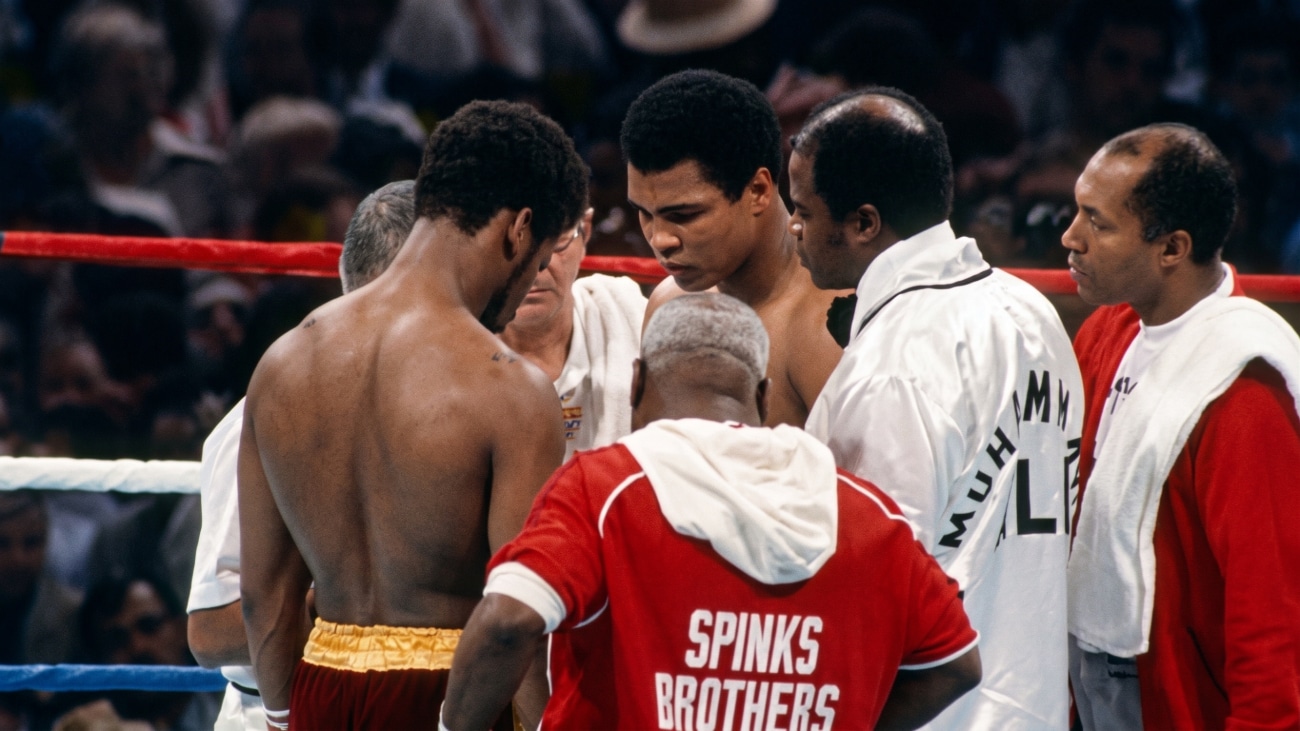
Las Vegas, February 15, 1978. Spinks had only seven professional fights. Ali treated it like a tune-up. The line opened at 10-1 and closed around 8-1. Spinks threw punches for fifteen rounds and took a split decision and the heavyweight title.
Ali fixed it seven months later. On September 15, 1978 at the Superdome in New Orleans, in front of roughly 63,350 people, he won a unanimous decision by scores of 10-4, 11-4 and 10-4 and became the first three-time heavyweight champion.
09James J. Braddock W15 Max Baer (10-1)
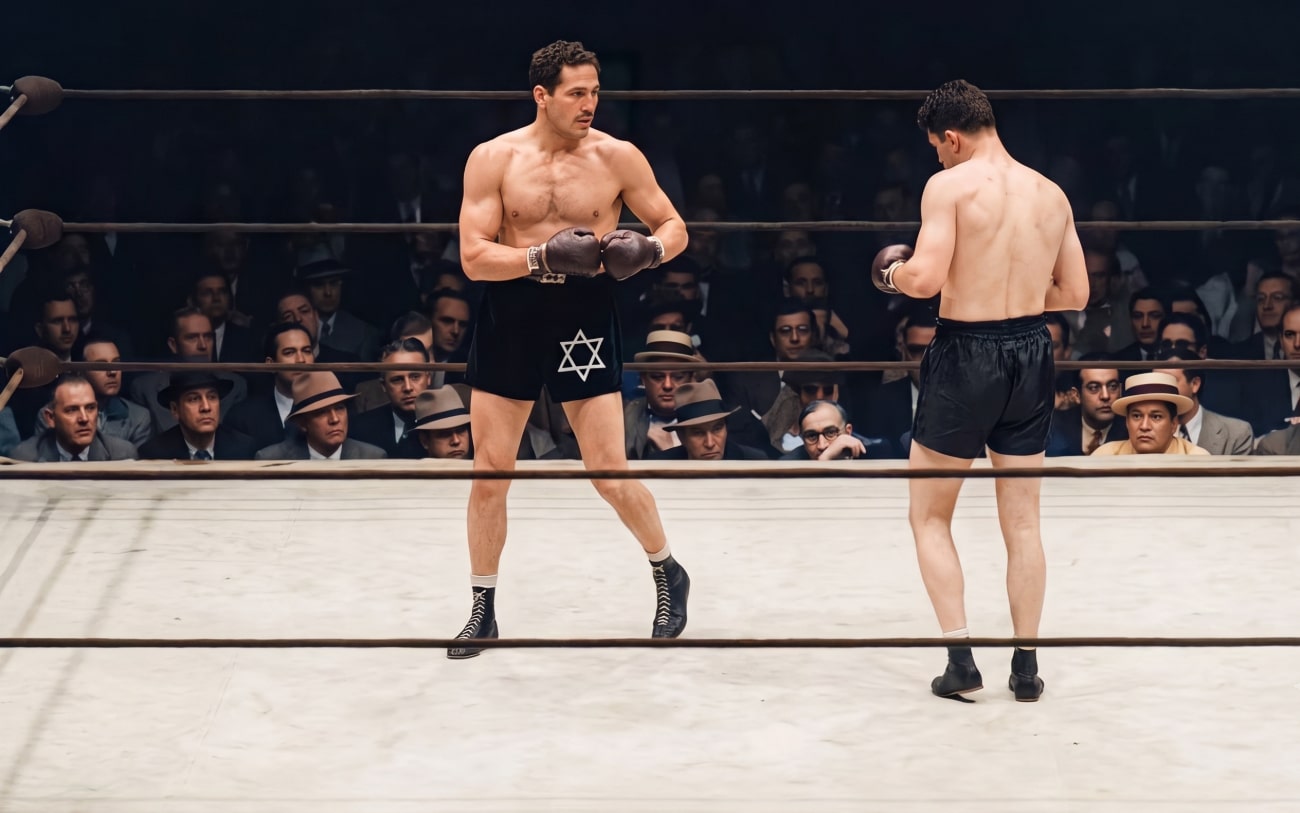
Madison Square Garden Bowl, Queens, June 13, 1935. Braddock had broken his hands, worked the docks as a longshoreman and taken public relief to feed his family. Baer was the champion, a huge puncher, and a 10-1 favorite. Braddock boxed carefully for fifteen rounds and won a unanimous decision. The Cinderella Man story is one of the few in boxing that needed no exaggeration.
10Lloyd Honeyghan RTD6 Donald Curry (no firm line recorded)
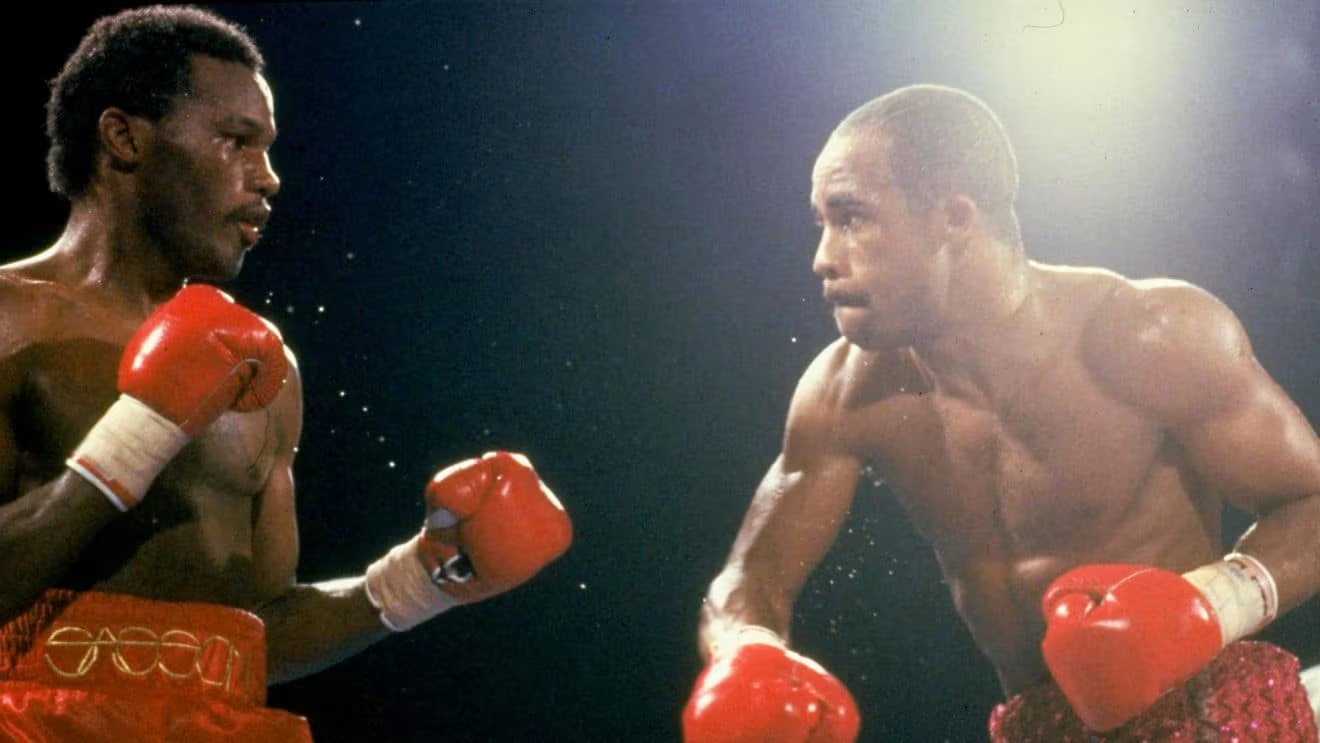
Caesars, Atlantic City, September 27, 1986. Curry was 25-0, the undisputed welterweight champion and, for many, the best fighter in the world. Honeyghan was a brash Londoner the American press barely knew. He walked Curry down for six rounds, opened a cut over the left eye, and the ringside doctor advised Curry's corner to stop it after the sixth.
None of the accounts I read put a firm betting line on it, only that Honeyghan was a massive underdog, so it anchors the list rather than leading it. In terms of taking apart a reputation in one night, it is right there with Douglas and Ruiz.
Here is what the odds never capture: almost every one of these favorites beat himself before the first bell. Tyson came to Tokyo as a formality. Lewis took a trip to South Africa like a routine defense. Joshua accepted a replacement opponent a month out. Ali treated Spinks like a sparring partner. The underdog still had to land the punches, and Douglas, Rahman and Ruiz deserve every word written about them, but the pattern is a coach's lesson, not a lottery ticket. From a betting angle, the lesson is simple: the longer the line on a legitimate world-class fighter, the harder you should look at what the favorite has been doing for ten weeks. Nobody gets rich betting 42-1 shots blindly. The money is in spotting the 25-1 that should be 6-1, like Holyfield in 1996, and the market slowly agreed with that one before the bell.
QUESTIONS PEOPLE ASK.
What is the biggest upset in boxing history?
Buster Douglas knocking out Mike Tyson in the tenth round at the Tokyo Dome on February 11, 1990. Douglas was quoted at 42-1 by the books that would even take the bet, and some had it at 35-1. Tyson was undefeated and held all three major belts. No world title upset since has carried a longer recorded line.
What were the odds for Andy Ruiz Jr. against Anthony Joshua?
Ruiz opened as high as 25-1 after replacing Jarrell Miller on roughly a month's notice. By the opening bell at Madison Square Garden on June 1, 2019 the line had come in to about 13-1. He dropped Joshua four times and won by seventh-round stoppage, taking the WBA, IBF, WBO and IBO heavyweight titles.
Who was the biggest underdog to win a heavyweight title?
Douglas at 42-1 is the record. Behind him sit Ruiz at 25-1, Rahman at 16-1 to 20-1 against Lennox Lewis in 2001, Leon Spinks at 10-1 against Muhammad Ali in 1978 and James J. Braddock at 10-1 against Max Baer in 1935. Holyfield opened at 25-1 against Tyson in 1996 but the line closed much shorter.
Did the favorites win the rematches?
Mostly yes, which is part of what makes the first fights so strange. Lewis knocked out Rahman in four rounds seven months later. Ali beat Spinks by unanimous decision in New Orleans. Louis stopped Schmeling in 124 seconds. Joshua outpointed Ruiz in the rematch. Robinson regained his title from Turpin. Tyson never avenged Douglas, and the Holyfield rematch ended with Tyson disqualified for biting.
Why is Honeyghan over Curry on the list without odds?
Because the result was as shocking as any here. Curry was 25-0, the undisputed welterweight champion and widely considered the best fighter in the world in September 1986. Honeyghan stopped him after six rounds in Atlantic City. The accounts I used describe him as a massive underdog without quoting a specific line, so it anchors the list instead of leading it.
- Biggest Boxing Betting Upsets
- The Biggest Upsets in Heavyweight History
- Top 12 All-Time Greatest Upsets
- Top 5 upsets in boxing history
- Buster Douglas vs. Mike Tyson
- Anthony Joshua vs. Andy Ruiz Jr.
- Hasim Rahman vs. Lennox Lewis II
- On This Day: Randy Turpin stuns Sugar Ray Robinson
- On This Day: Lloyd Honeyghan stuns the boxing world
- Muhammad Ali Outsmarts Leon Spinks To Make History
Figures in this piece come from the sources above; purses, deals and net worth totals are estimates unless a commission or the fighter disclosed them. Spotted an error? Send a correction.