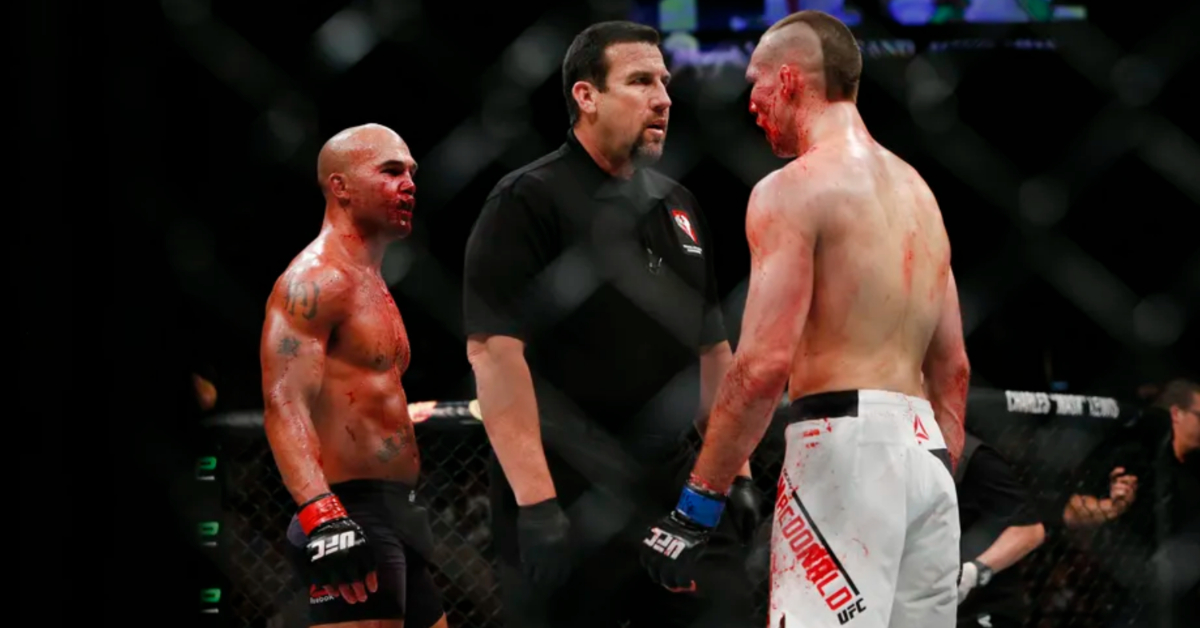
UFC Fighter Pay by Tier: Debut, Mid-Card, Contender and Champion
UFC debutants get $10,000 to show and $10,000 to win, mid-carders $28,000 to $110,000, contenders $150,000 to $500,000, and champions $200,000 to $3 million plus points.
UFC fighter pay runs in four rough tiers. A debuting fighter gets $10,000 to show and $10,000 to win, or $12,000 and $12,000 on short notice. A mid-card regular earns somewhere between $28,000 and $110,000 per fight, doubled with a win. Ranked contenders sit between $150,000 and $500,000. Champions start around $200,000 to $500,000 in disclosed money and, for the biggest stars, run to $3 million plus a cut of the event's revenue.
Those numbers come from state athletic commission payout reports, mostly California and Washington, since Nevada stopped publishing in 2020. They cover show money and win bonuses only. On top of that sit the $100,000 post-fight bonuses, the Venum outfitting pay that scales with fight count, and for a handful of names, revenue points that never show up in any public record.
Here is what each tier gets, with names and checks, and what comes out before a fighter sees it.
- Entry contract
- $10,000 to show, $10,000 to win
- Short-notice debut
- $12,000 and $12,000
- Mid-card show money
- $28,000 to $110,000 (UFC 311, CSAC)
- Champion disclosed
- Makhachev $200,000 flat, UFC 311
- Post-fight bonus
- $100,000 (doubled in 2026)
- Outfitting pay
- $4,000 to $42,000 per fight
Tier 1: Debuting Fighters and the Contender Series ($10,000 to $24,000)
The standard entry contract is $10,000 to show and $10,000 to win, usually four fights. UFC matchmaker Mick Maynard put it on the record in court documents: "10/10 contracts are the norm. The 12/12 contracts are for fighters who step up to make their promotional debut on short notice." Cageside Press noted in January 2026 that the entry rate has not moved in ten years. Back in 2014 it was $8,000 and $8,000.
You can see it in the reports. At UFC 311 in Inglewood in January 2025, the California commission listed Azamat Bekoev, Benardo Sopaj and Muin Gafurov at $12,000 plus $12,000 for winning, and Billy Elekana at $12,000 for a loss. A month later in Seattle, Julius Walker got the standard $12,000 for losing his debut to Alonzo Menifield.
Before any of that, the Contender Series paid $5,000 to show and $5,000 to win in its first season, and Ronnie Lawrence said fighters got a $600 per diem for the week. Manager Daniel Rubenstein's comparison from the regional scene tells you why guys still line up: he had a fighter in an LFA title fight making $2,250 and paying his own medicals.
Tier 2: The Mid-Card ($28,000 to $110,000 to Show)
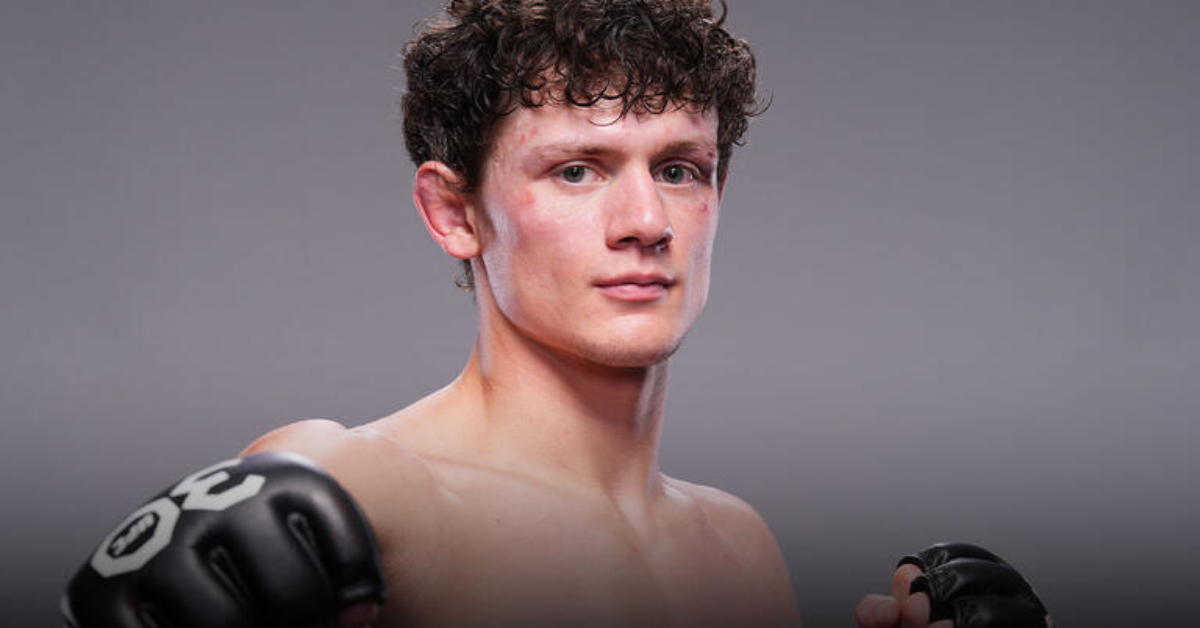
Win a few and the contract gets renegotiated in steps. The UFC 311 report is a clean ladder. Rinya Nakamura, Ricky Turcios and Clayton Carpenter were at $28,000 to show. Ailin Perez and Tagir Ulanbekov made $36,000 and doubled it with wins to $72,000. Bogdan Guskov was on $43,000 and $43,000. Raoni Barcelos earned $96,000 with his win bonus. Serghei Spivac, Diego Ferreira and Umar Nurmagomedov were all on $100,000 to show.
The top of the mid-card is the $100,000 to $110,000 line. Jailton Almeida made $220,000 that night with his win, Reinier de Ridder $210,000, Grant Dawson $212,000. In Seattle, Rob Font took $320,000 for a split decision, Ion Cutelaba $190,000 and Ricky Simon $160,000 for first-round finishes.
This is the tier most of the roster lives in, and it is where the math gets ugly. Sean Strickland described the losing end of it bluntly in July 2026: 20 grand for a fight, pay the manager, pay the taxes, and if you lose "you really only get like 8-7 grand."
Tier 3: Ranked Contenders ($150,000 to $500,000)
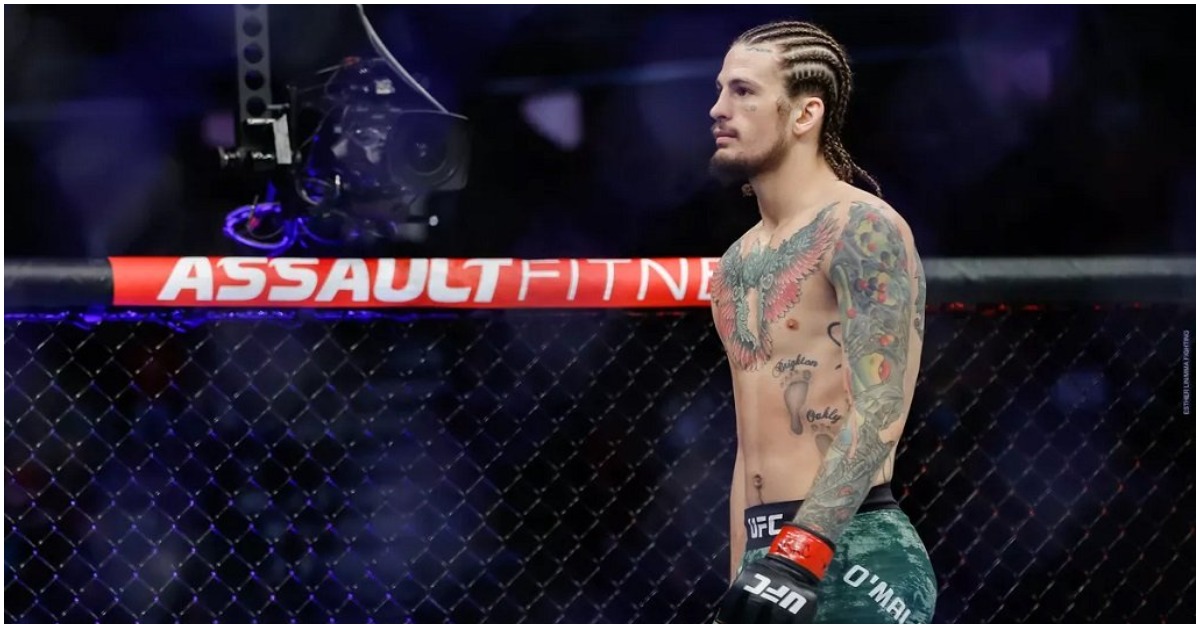
Get a number next to your name and the show money climbs past $150,000. Bobby Green was on $150,000 and $150,000 at UFC 291 in Utah, and Kevin Holland $178,000 and $178,000. At UFC 311, Jiri Prochazka made $200,000 plus a $50,000 win bonus, Jamahal Hill $200,000, and Holland and Renato Moicano $250,000 each for losses.
Headlining a Fight Night pays like a contender, not a champion. Henry Cejudo got $150,000 to headline Seattle in February 2025 and lost, which cost him another $150,000. Song Yadong earned $320,000 for beating him. Brendan Allen, ranked tenth at middleweight, made $60,000 more than the former two-division champion on the same card despite losing.
Title challengers get a bump. Alexander Gustafsson was on $500,000 to fight Jon Jones at UFC 232 in 2018. Sean O'Malley has said he started at $10,000 and $10,000 and renegotiated after a few performances, which is the path every fighter in this tier is on.
Tier 4: Champions ($200,000 to $3 Million, Plus Points)
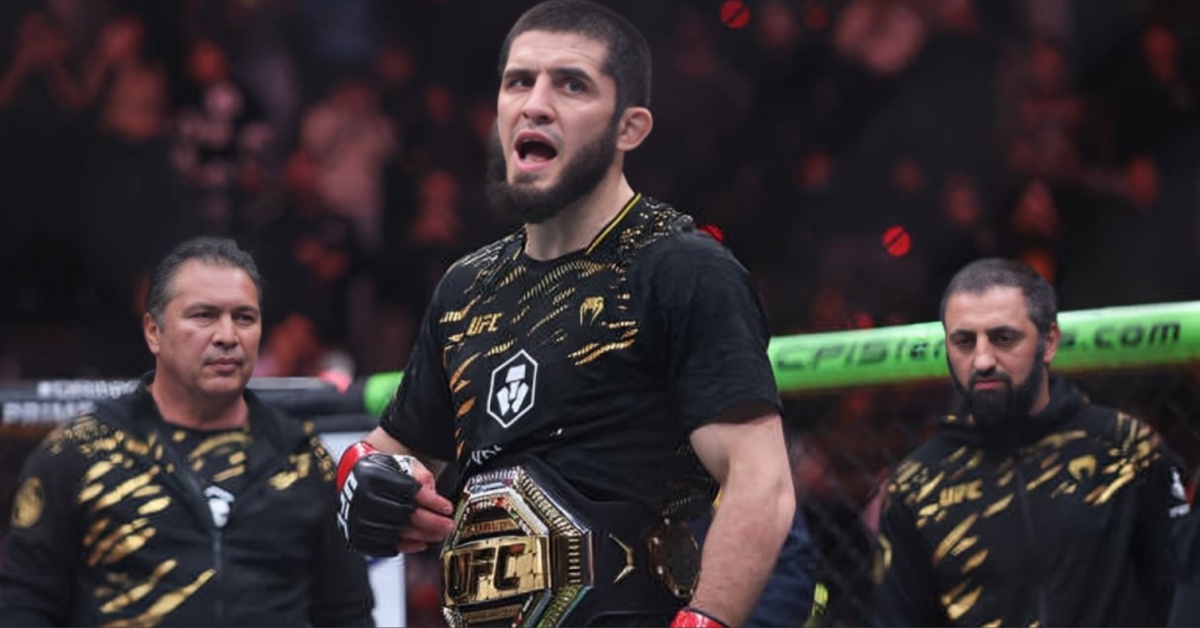
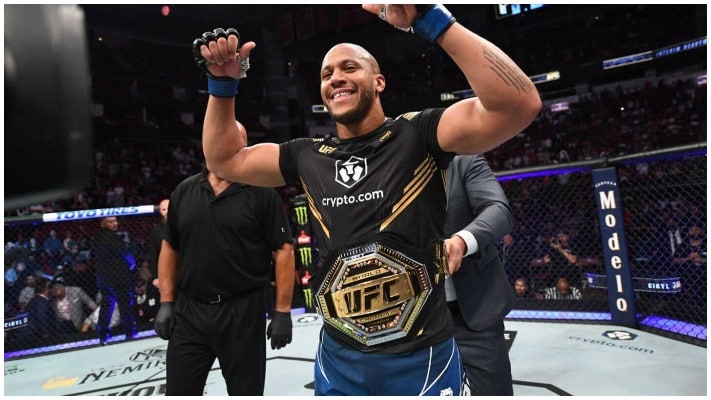
Here is the number that shocked people. Islam Makhachev, the pound-for-pound number one, was disclosed at $200,000 flat for defending his lightweight title at UFC 311, with no win bonus. Merab Dvalishvili got $500,000 on the same card. Jon Jones, Cris Cyborg and Amanda Nunes were each at $500,000 or less at UFC 232 in 2018.
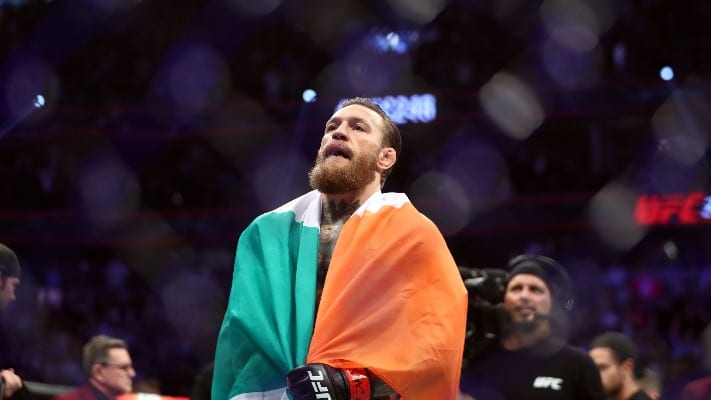
The reason the disclosed champion number looks small is that the real money for a champion used to be pay-per-view points, which never appear in commission reports. Conor McGregor's $3 million at UFC 229 was the official line; CBS Sports projected his full take at about $50 million. Khabib Nurmagomedov, the champion who won, was disclosed at $2 million.
Champions also get the top of the Venum scale, $42,000 per fight, and the most leverage to negotiate flat fees now that the points are gone.
Bonuses: $100,000 for a Great Night
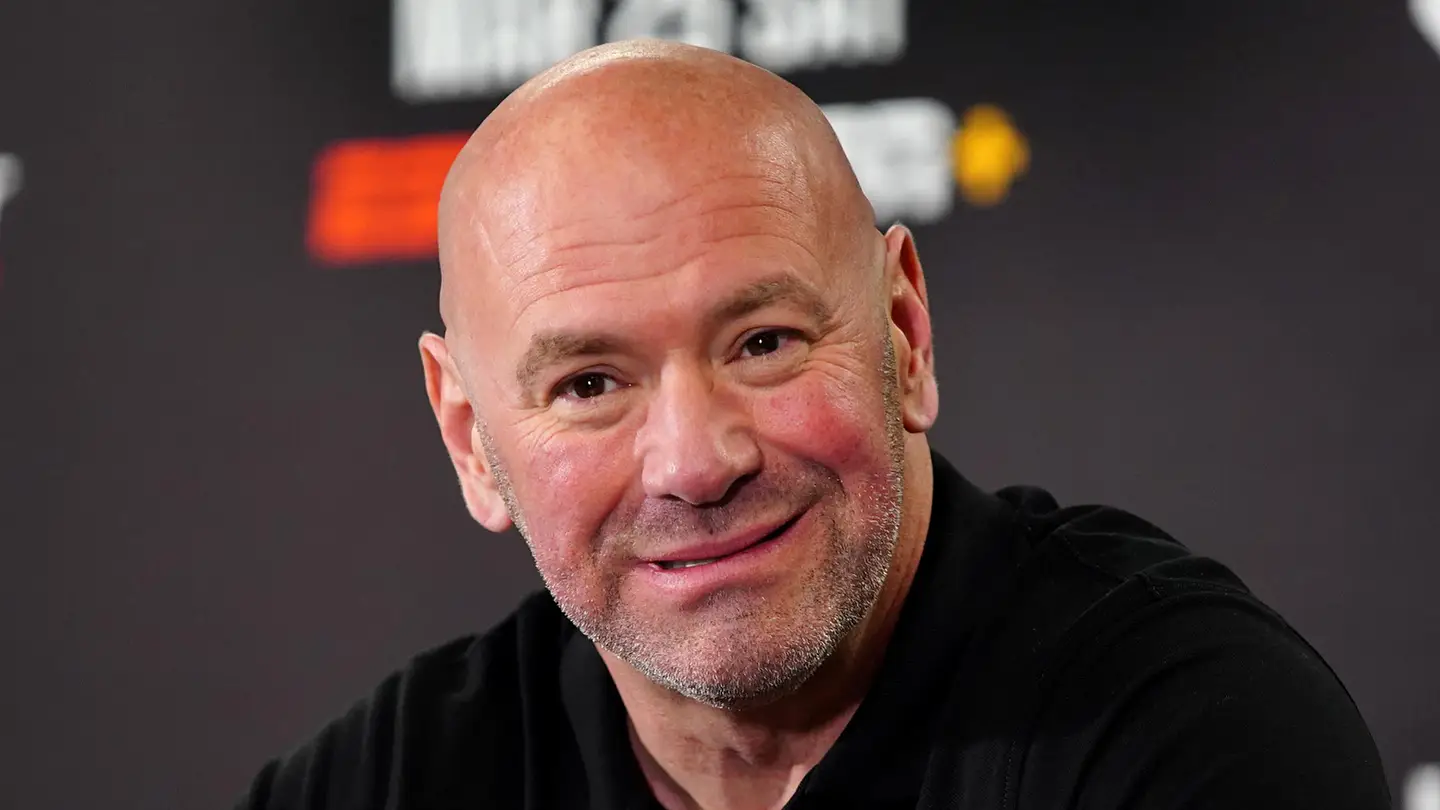
When Dana White was asked in August 2025 what would change for fighters under the Paramount deal, he said: "The low hanging fruit that's easy to answer, bonuses are obviously going up." They did. Starting with UFC 324, the first Paramount+ card in January 2026, Fight of the Night and Performance of the Night doubled from $50,000 to $100,000, and a new $25,000 finish bonus pays out for any knockout or submission that does not win one of the big awards.
At Noche UFC in Glendale on September 12, 2026, Jean Silva and Sean King III each took $100,000 for Performance of the Night, Tommy McMillen and Marwan Rahiki split Fight of the Night at $100,000 each, and Yousri Belgaroui and Tommy Gantt got $25,000 finish bonuses.
For a $12,000 debut fighter, one bonus is eight fights' worth of show money. Justin Gaethje, who has won 14 of them, pointed out that even at the old rate they did not add up to a million dollars.
Outfitting Pay: The Venum Scale
Every fighter also gets Promotional Guidelines Compliance pay for wearing the Venum kit, and it scales with UFC fight count, not ranking. As of UFC 318 in July 2025 the ladder was $4,000 for one to three fights, $4,500 for four to five, $6,000 for six to ten, $11,000 for eleven to fifteen, $16,000 for sixteen to twenty, $21,000 for twenty-one and up, $32,000 for a title challenger and $42,000 for a champion.
At UFC 318, Max Holloway collected $42,000 as BMF champion, Dustin Poirier $32,000, and Kevin Holland and Michael Johnson $21,000 apiece. Eight fighters including Patricio Pitbull got the $4,000 minimum. The whole card earned $289,500 from the program.
It is reliable money, which matters on a roster where most of the pay is conditional on winning.
What Comes Out of the Check
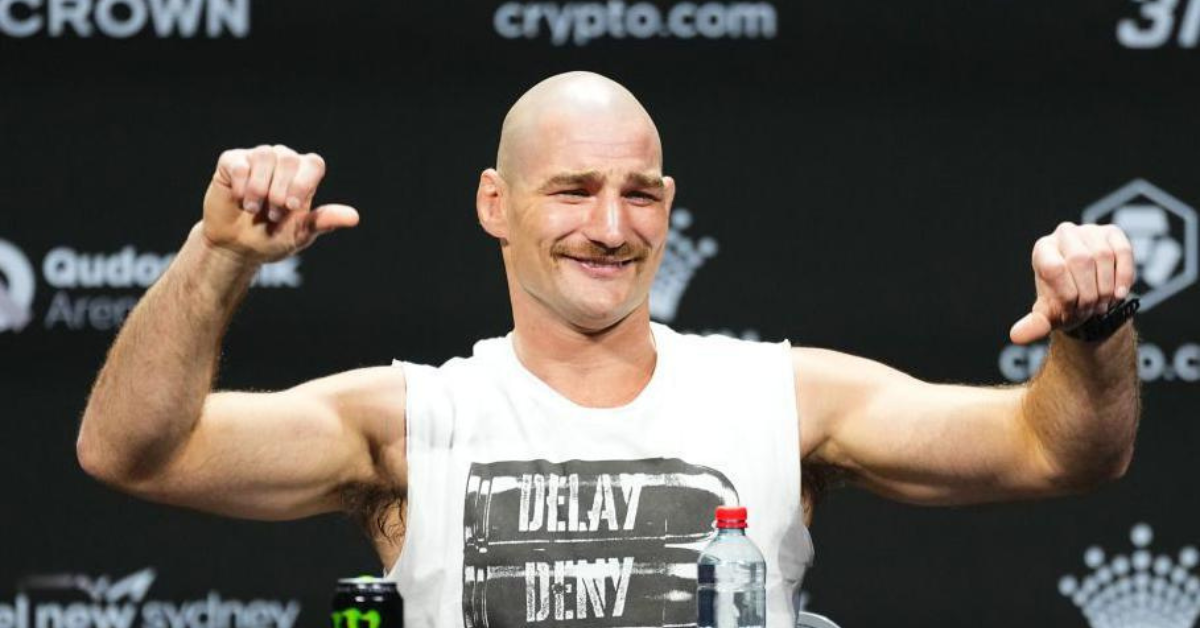
Chase Hooper laid out the deductions in August 2025: "10% to the coaches, 15% to manager, 30% to federal taxes, and another 5% to state income tax if you have that. That's 60% of the money gone before you even touch it." Camp costs and cornermen travel come out too.
So a $12,000 debut loss nets a fighter something close to $5,000 for a ten-week camp. A $100,000 mid-carder who loses takes home around $40,000, and he may only fight twice a year. The Economist put the median pay per fight at $24,500 a decade ago, and the entry rate has not moved since.
For context on the pie itself, Bloody Elbow's analysis of Endeavor's filings found fighters received about 15.5 percent of UFC revenue in 2022, on $1.14 billion in revenue.
The Paramount Era: No More PPV Points
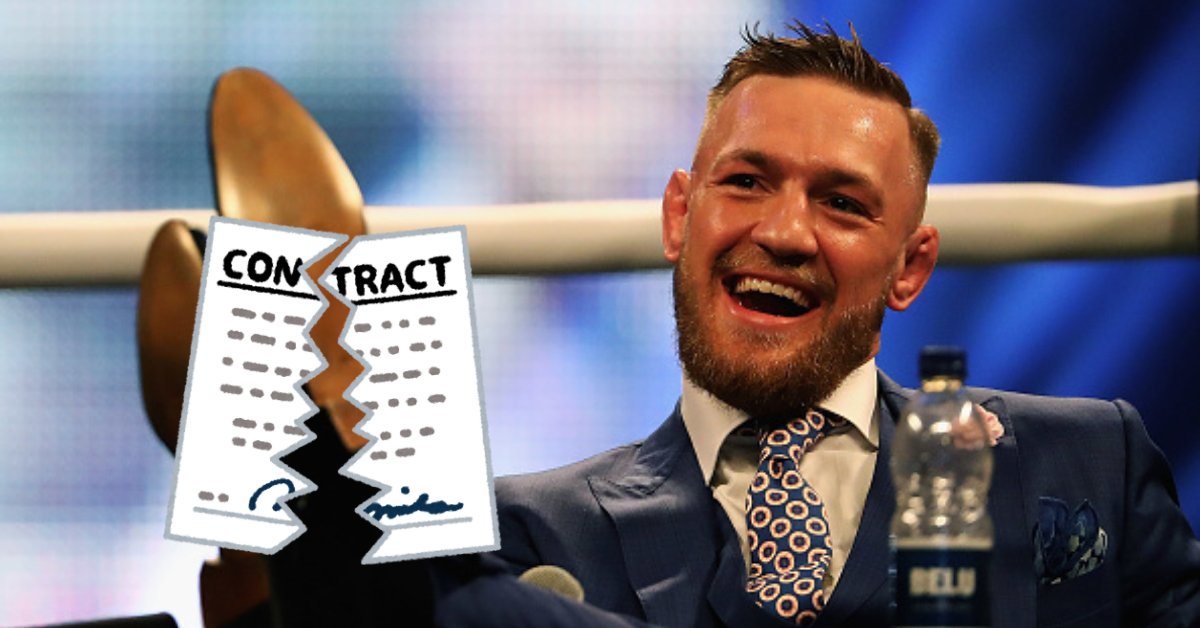
The $7.7 billion, seven-year Paramount deal, about $1.1 billion a year and double what ESPN paid, ended pay-per-view in the United States. That removed the mechanism that made champions rich. Oren Hodak, who represents Merab Dvalishvili, Kevin Holland and Renato Moicano, told Front Office Sports in January 2026 that his agency is "working on a new flat rate for some fighters who would have previously earned pay-per-view points."
McGregor said his contract is "void right now because there's no more pay-per-view." Gaethje said "I'm not getting one dollar more than I would've if this deal didn't happen," and White responded that Gaethje had been offered more money and never answered. Asked in September 2025 whether pay would double or triple, White said: "I can't sit here right now and tell ya, you know, it's double, it's one and a half, it's triple. But, yeah, fighter pay is gonna be good."
The honest answer is that nobody outside the company knows yet, and with Nevada not disclosing, nobody outside the company may ever know.
The $375 Million Settlement
One more pay tier exists for fighters who were on the roster between December 2010 and June 2017: the Le v. Zuffa antitrust settlement. Of the $375 million total, $251.3 million went to roughly 1,200 fighters after fees, paid out as 32.7 percent of each fighter's bout compensation plus $14,179.33 per fight.
Anderson Silva received the most at $10.3 million. The average check was $231,022, the median $86,034, and the smallest $16,138. Thirty-five fighters cleared $1 million and more than 500 got over $100,000. For a lot of mid-card veterans, that single check was bigger than any fight purse they ever earned.
The four-tier ladder is real, but the thing that bothers me is how long the bottom rung has been bolted in place. Ten grand to show in 2016, ten grand to show in 2026, while the TV money doubled. I have watched kids from the 209 take a Contender Series fight for $5,000 and treat it like a lottery ticket, and the honest math is that the ticket pays off for maybe one in twenty. The bonus doubling is good and the $25,000 finish money is smart, but it rewards highlight reels, not careers. What I want to see is a published floor that moves with the Paramount check, because a company making $1.1 billion a year from a broadcaster can afford $20,000 and $20,000 for a debut without noticing. Until then, read the Makhachev number again: the best fighter alive was officially paid $200,000 to defend his belt. The points were the salary. Now the points are gone.
QUESTIONS PEOPLE ASK.
How much does a UFC fighter make on their debut?
The standard entry contract pays $10,000 to show and $10,000 to win, so a debut win is $20,000 before deductions. Fighters who take a debut on short notice get $12,000 and $12,000. Add $4,000 in Venum outfitting pay. Court documents from UFC matchmaker Mick Maynard confirmed 10/10 contracts are the norm, and the rate has not changed in a decade.
How much do UFC champions get paid per fight?
Disclosed champion purses range widely. Islam Makhachev was listed at $200,000 flat for UFC 311, Merab Dvalishvili at $500,000, and Conor McGregor and Ronda Rousey at $3 million in Nevada. Historically champions made most of their money from pay-per-view points, which were never disclosed. Under the Paramount deal those points are being replaced by negotiated flat rates.
What are UFC post-fight bonuses worth now?
Starting with UFC 324 in January 2026, Fight of the Night and Performance of the Night bonuses doubled from $50,000 to $100,000. The UFC also added a $25,000 finish bonus for any knockout or submission that does not win one of the main awards. At Noche UFC in September 2026, four fighters took $100,000 bonuses and two more took $25,000.
How much of a UFC purse does a fighter actually keep?
Less than half in many cases. Chase Hooper broke it down as 10 percent to coaches, 15 percent to a manager, 30 percent to federal tax and up to 5 percent to state tax, about 60 percent gone. Camp costs and cornermen travel come out too. A fighter on $12,000 to show who loses can net around $5,000 for a full training camp.
Did the Paramount deal raise UFC fighter pay?
Bonuses doubled, but base contracts have not publicly changed. The $7.7 billion deal ended pay-per-view in the United States, which removed the revenue points stars like McGregor relied on. Managers are negotiating flat fees to replace them. Dana White has said fighter pay will be good, while Justin Gaethje said he is not earning a dollar more because of the deal.
- Cageside Press: Discrepancy in pay for UFC newcomers revealed
- LowKick MMA: UFC 311 disclosed fight purses
- Bloody Elbow: UFC Seattle payouts, Cejudo earned $150,000
- Sherdog: UFC 291 disclosed salaries
- Sherdog: UFC 232 salaries
- Cageside Press: UFC doubling post-fight bonuses
- LowKick MMA: Noche UFC bonus winners
- Bloody Elbow: UFC 318 compliance pay
- Front Office Sports: UFC fighter pay under the Paramount deal
- LowKick MMA: Anderson Silva receives $10.3 million from antitrust settlement
Figures in this piece come from the sources above; purses, deals and net worth totals are estimates unless a commission or the fighter disclosed them. Spotted an error? Send a correction.