What Is a Catchweight in MMA? Rules, Fines and Famous Examples
A catchweight is a weight limit both fighters agree to that sits outside the official classes, often used to save a fight after someone misses weight.

A catchweight in MMA is a weight limit agreed between two fighters that does not match any official weight class. Instead of 170 for welterweight or 185 for middleweight, both sides sign for something like 180 or 195. It usually happens for one of two reasons: two fighters from different divisions want to meet in the middle, or someone misses weight and the fight is saved at a new number.
The second reason is the common one now. When a fighter steps on the scale heavy, the bout can be cancelled, or the opponent can agree to fight anyway at a catchweight. That agreement almost always comes with a price: the fighter who missed hands over part of the purse.
Here is how it works, why it happens and the fights that made the term famous.
- Definition
- A negotiated limit outside official weight classes
- Non-title allowance
- 1 pound over the division limit (UFC)
- Typical miss penalty
- 20% of purse, 30% in some cases
- Famous UFC example
- Chimaev vs. Holland, 180 lb, UFC 279
- Famous boxing example
- Mayweather vs. Canelo, 152 lb, 2013
What a catchweight means
A catchweight is simply a negotiated limit outside the traditional weight classes. The weigh-in still happens the day before the fight, and each fighter has to be at or under the agreed number.
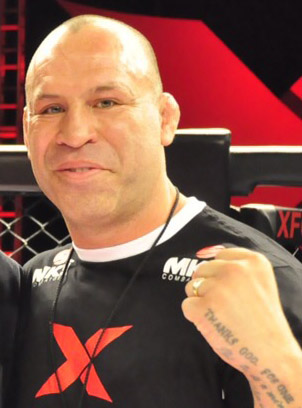
The cleanest example of a planned catchweight is UFC 99. Wanderlei Silva, a light heavyweight at 205, met Rich Franklin, a middleweight at 185, at a 195-pound catchweight. Both men weighed 194. Nobody missed anything. The number was the compromise that made the fight possible.
Why catchweights happen
The first reason is matchmaking. A fighter moving between divisions, or two stars who sit one class apart, can split the difference rather than force one man to cut or bulk to the other's limit.
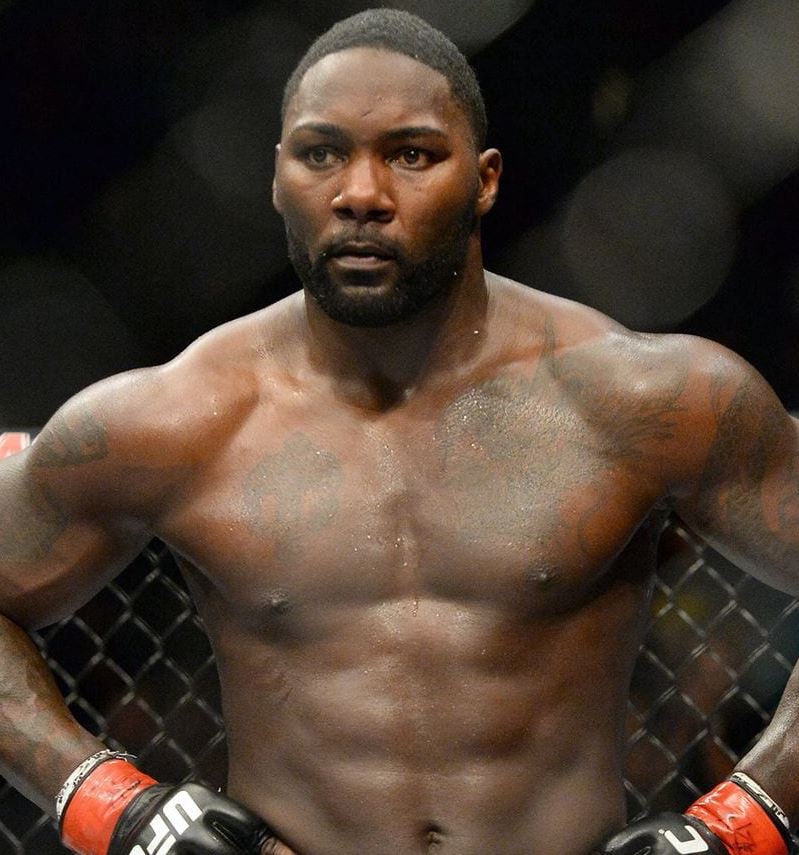
The second is the weight miss. At UFC 104, Anthony Johnson came in at 176 pounds for a welterweight fight with a 170-pound limit. Rather than scrap the bout, it went ahead at a 176-pound catchweight.
That is the practical value for promoters. A catchweight keeps a fight on the card when the alternative is refunding a slot, losing a co-main event or sending an opponent home after a full camp.
What happens when a fighter misses weight
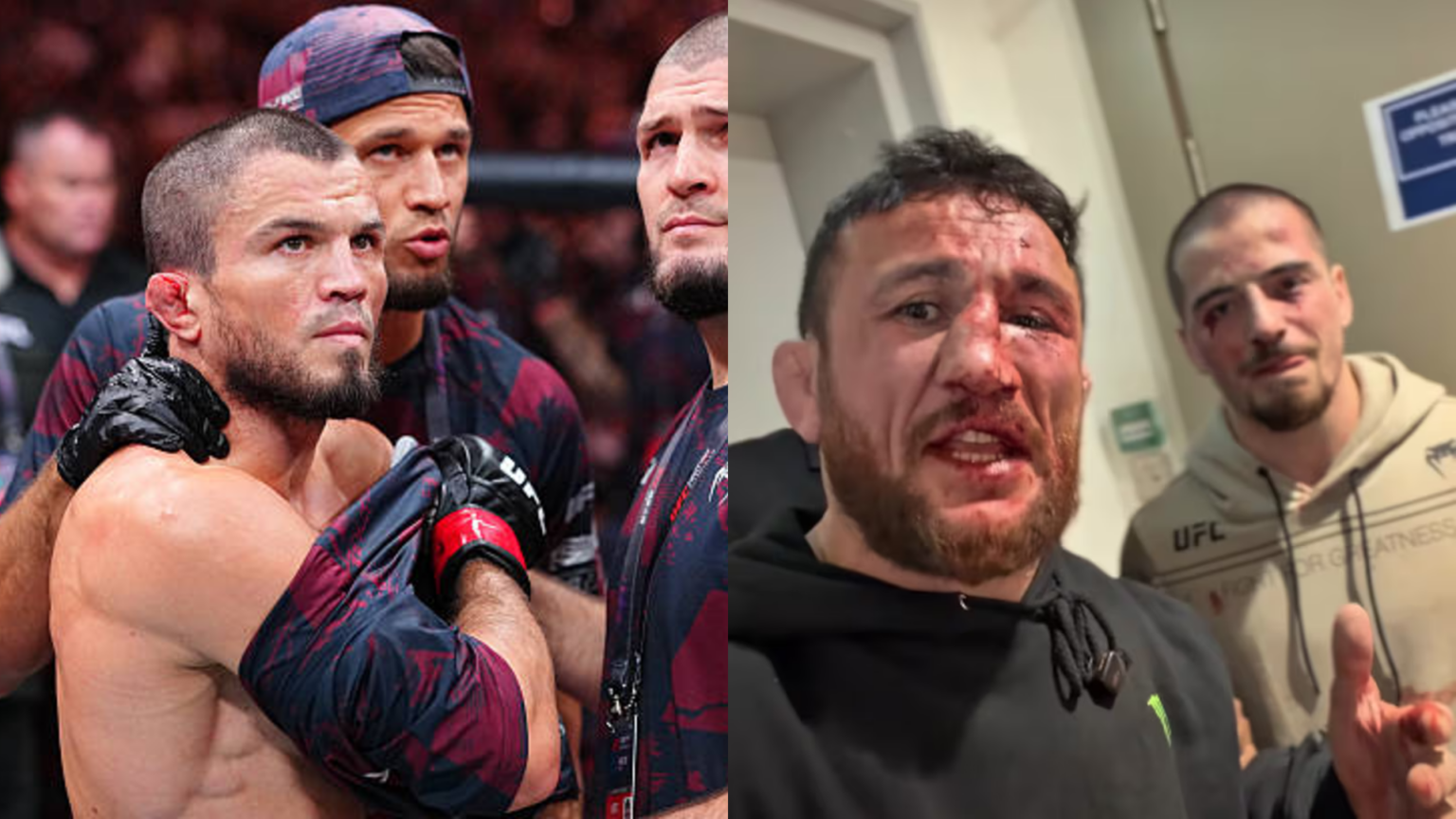
The modern blueprint for weight chaos is UFC 279 in September 2022. Khamzat Chimaev weighed 178.5 pounds for a welterweight main event against Nate Diaz, 7.5 pounds over the 171-pound non-title limit. ESPN reported his cut was stopped around 4 a.m. on fight week Friday because of medical concerns.
Diaz did not want to fight him at a catchweight, so the UFC rebuilt three fights in a day. Chimaev fought Kevin Holland at 180 pounds and submitted him with a D'Arce choke at 2:13 of the first round. Diaz faced Tony Ferguson in the main event. Irene Aldana and Macy Chiasson moved to a 140-pound catchweight, and Jingliang Li and Daniel Rodriguez fought at 180.
Note the one-pound allowance. In non-title UFC bouts, fighters can usually weigh one pound over the division limit, so welterweight is 171 and lightweight is 156. Title fights get no allowance at all.
How purses get docked
A catchweight saves the fight, not the paycheck. The fighter who missed typically forfeits a percentage of the purse, most often 20 percent, and it usually goes to the opponent who made weight.
Real numbers from the same UFC 279 card: Hakeem Dawodu weighed 149.5 for a 146-pound featherweight fight and was fined 30 percent. Chris Barnett came in at 267.5, 1.5 over the heavyweight limit, and was fined 20 percent. At UFC Mexico City in March 2025, Ronaldo Rodriguez weighed 127 for a 125-pound flyweight fight, gave up 20 percent to Kevin Borjas and fought at a 127-pound catchweight.
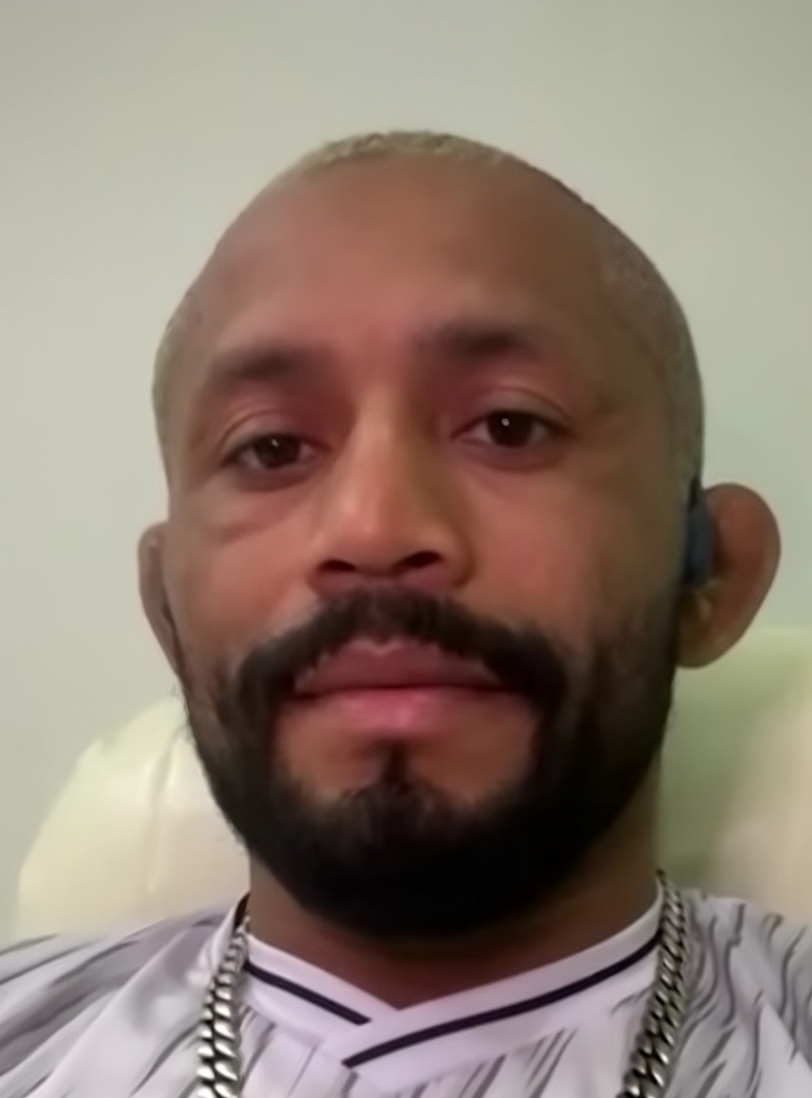
Title fights can cost more. Deiveson Figueiredo weighed 127.5 for a vacant flyweight title fight with Joseph Benavidez at UFC Norfolk in February 2020. The official report said he forfeited 30 percent and was ineligible for the belt. He stopped Benavidez in round two anyway, and the title stayed vacant until their rematch that July.
Exact rules depend on the athletic commission that regulates the event, so the split can vary from state to state and country to country.
Can a title be on the line at a catchweight?
In the UFC, a missed weight on a title fight takes the belt off the table for whoever missed. Charles Oliveira weighed 155.5 for his lightweight title defense against Justin Gaethje at UFC 274 in May 2022, half a pound over. He was stripped as the main event began, then submitted Gaethje in the first round. The belt stayed vacant.
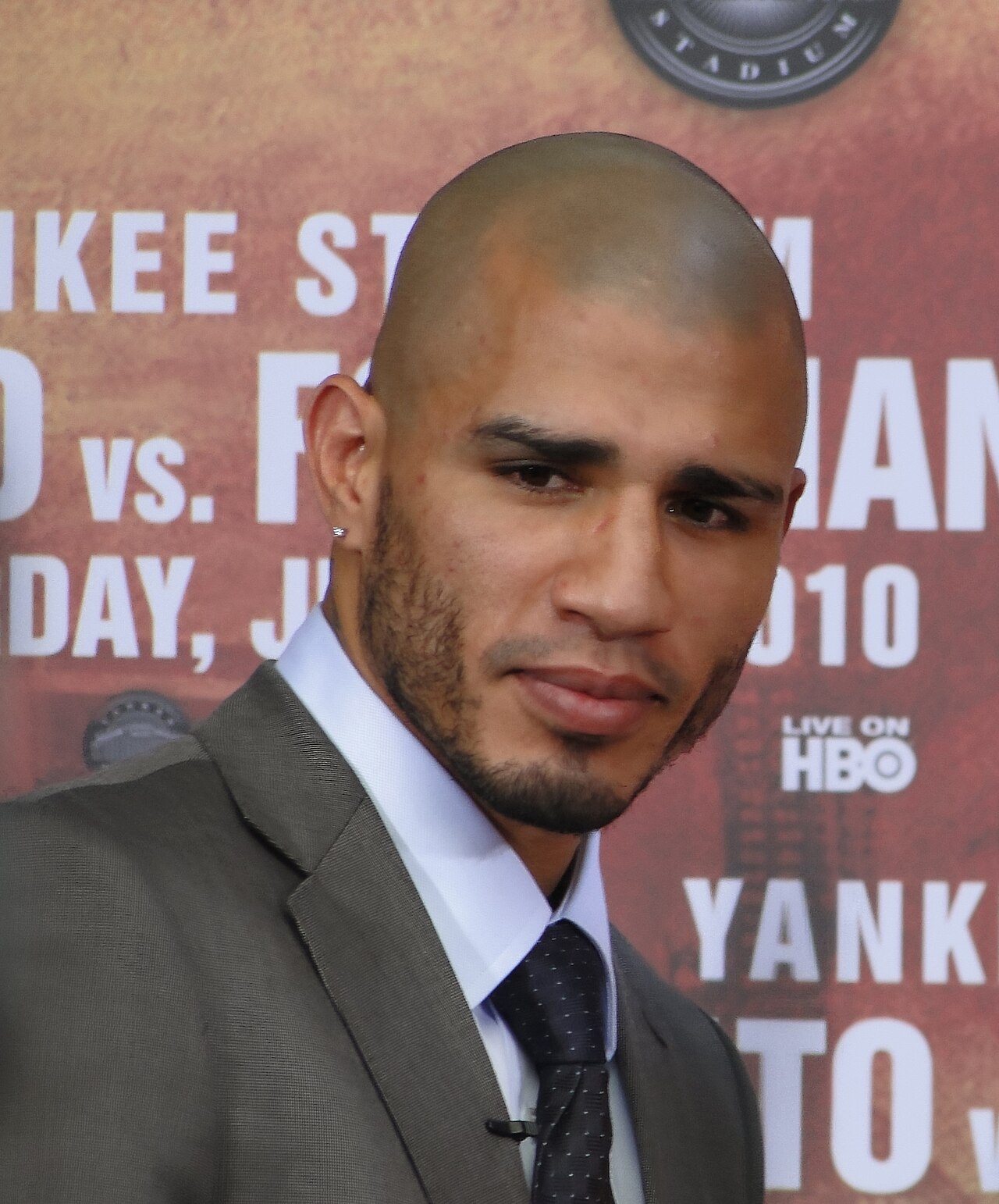
Boxing is different because a catchweight can sit inside an official class. Manny Pacquiao and Miguel Cotto fought at 145 pounds, above the 140-pound junior welterweight limit but under the 147-pound welterweight limit. That made it a catchweight and a welterweight fight at the same time, and the WBO sanctioned it for its welterweight title.
Famous catchweights in boxing

Boxing made catchweights a negotiating weapon, and Canelo Alvarez has been on both ends. Against Floyd Mayweather on September 14, 2013, he agreed to fight at 152 pounds, two under the 154-pound light middleweight limit, with a 13-pound rehydration clause. Canelo still walked into the ring at 165. Mayweather won a majority decision.
In May 2017 in Las Vegas, Canelo fought Julio Cesar Chavez Jr. at a 164.5-pound catchweight with a $1 million penalty, paid to the opponent, for missing it. Chavez weighed 165.2 the night before, then made 164 at the official weigh-in. Canelo also came in at 164.
Those clauses explain why boxing fans get suspicious when a catchweight shows up. A couple of pounds and a rehydration cap can matter more than the size of the purse.
Catchweights are a tool, and like any tool, it depends who is holding it. Wanderlei and Franklin at 195 was a great idea: two legends, one honest number, both on weight. That is matchmaking.
What I cannot stand is the miss that gets laundered into a catchweight. A 20 percent fine sounds tough until you remember the guy who missed still got to fight with a size advantage. The opponent who suffered through the cut is the one taking the risk. Make it 30 percent minimum and let the opponent name the number.
Chimaev at UFC 279 is the exception that proves it. Nate said no, and he was right to. Standing on principle got him a walk-off win over Ferguson in his last UFC fight. And in boxing, every time I see a rehydration clause, I read it as one camp telling you exactly what it is scared of.
QUESTIONS PEOPLE ASK.
Is a catchweight fight a title fight?
In the UFC, almost never. If a challenger misses weight, the champion keeps the belt whatever happens, and if the champion misses, the title goes vacant. Charles Oliveira lost his lightweight belt on the scale at UFC 274 in 2022. In boxing, a catchweight that sits under an official class limit can still be sanctioned, like Pacquiao vs. Cotto at 145 for the WBO welterweight title.
How much does a fighter lose for missing weight in the UFC?
Most often 20 percent of the purse, usually paid to the opponent, though it can be higher. At UFC 279, Hakeem Dawodu forfeited 30 percent and Chris Barnett 20 percent. Deiveson Figueiredo forfeited 30 percent before a 2020 title fight. The athletic commission regulating the event sets the exact rules, so they vary by jurisdiction.
Why is the welterweight limit 171 and not 170?
Non-title UFC fights usually allow one extra pound over the division limit, so welterweight is 171, lightweight 156, featherweight 146 and middleweight 186. Title fights get no allowance, so a championship welterweight bout is 170 on the nose. That is why Charles Oliveira at 155.5 lost his title, while a fighter at 155.5 in a non-title fight would have been fine.
Can a fighter refuse a catchweight?
Yes. The opponent who made weight has to agree to the new limit, and they can say no. At UFC 279, Nate Diaz would not fight Khamzat Chimaev after Chimaev came in 7.5 pounds heavy, so the UFC reshuffled the card. Diaz fought Tony Ferguson instead, and Chimaev fought Kevin Holland at a 180-pound catchweight.
- Wikipedia: Catchweight
- Sherdog: UFC 279 Weigh-in Results
- ESPN: Chimaev cruises to first-round win over Holland
- AgentMMA: What Happens When a UFC Champion Misses Weight
- Sports Illustrated: UFC Mexico fighter fined 20% of salary
- CBS Sports: Canelo, Chavez make weight, avoid $1 million penalty
- Wikipedia: Floyd Mayweather Jr. vs. Canelo Alvarez
Figures in this piece come from the sources above; purses, deals and net worth totals are estimates unless a commission or the fighter disclosed them. Spotted an error? Send a correction.