Boxing Weight Classes Explained: All 17 Divisions and Champions
Boxing has 17 weight classes from 105-pound minimumweight to heavyweight over 200, each with WBA, WBC, IBF and WBO champions. Here is every limit and titleholder.

Professional boxing has 17 weight classes, running from minimumweight at 105 pounds up to heavyweight, where anything over 200 pounds goes. In between, the gaps are as small as three pounds at the bottom and as wide as 25 pounds at the top. Four sanctioning bodies, the WBA, WBC, IBF and WBO, each crown a champion in every division, so there can be four different world champions at one weight.
That is why "who is the champion" is rarely a one-name answer. This guide lays out every division, the limit in pounds and kilograms, and who holds each belt as of October 2026, based on the sanctioning bodies' own champion lists. It also covers the parts fans ask about most: what happens at the weigh-in, how much a fighter can put back on overnight, what a catchweight is, and why "undisputed" matters.
- Weight classes
- 17 recognized by all four bodies, plus WBC bridgerweight
- Lightest division
- Minimumweight, 105 lb (47.6 kg)
- Heavyweight limit
- None, anything over 200 lb (90.7 kg)
- Only undisputed champ
- Naoya Inoue, super bantamweight (122 lb)
- IBF rehydration rule
- Max 10 lb over the limit at fight-morning check
- UFC men's divisions
- 8, from 125 lb flyweight to 265 lb heavyweight
How Many Weight Classes Are There, and Why
There are 17 divisions recognized by all four major sanctioning bodies. The WBC also runs an 18th, bridgerweight, which sits between cruiserweight and heavyweight at 224 pounds. The WBA has recognized it since late 2023, but the IBF and WBO do not, so most fans still count 17.
The sport started with eight. Heavyweight, light heavyweight, middleweight, welterweight, lightweight, featherweight, bantamweight and flyweight were standardized by London's National Sporting Club in 1909 and written into New York's Walker Law in 1920. Everything else is a "super" or "junior" division wedged in later so that fighters stuck between two limits had somewhere to go. Smaller gaps mean fairer fights. More titles mean more title fights to sell.
The Full Table: All 17 Divisions
Every division, with alternate names and the limit in pounds and kilograms.
Heavyweight: no alternate name, over 200 lb (over 90.7 kg) Bridgerweight (WBC only): 224 lb (101.6 kg) Cruiserweight: also junior heavyweight, 200 lb (90.7 kg) Light heavyweight: 175 lb (79.4 kg) Super middleweight: 168 lb (76.2 kg) Middleweight: 160 lb (72.6 kg) Super welterweight: also junior middleweight, 154 lb (69.9 kg) Welterweight: 147 lb (66.7 kg) Super lightweight: also junior welterweight, 140 lb (63.5 kg) Lightweight: 135 lb (61.2 kg) Super featherweight: also junior lightweight, 130 lb (59.0 kg) Featherweight: 126 lb (57.2 kg) Super bantamweight: also junior featherweight, 122 lb (55.3 kg) Bantamweight: 118 lb (53.5 kg) Super flyweight: also junior bantamweight, 115 lb (52.2 kg) Flyweight: 112 lb (50.8 kg) Light flyweight: also junior flyweight, 108 lb (49.0 kg) Minimumweight: also strawweight or mini flyweight, 105 lb (47.6 kg)
The WBA and WBC use "super" names. The IBF and WBO use "junior" for the same divisions. Same weight, different label.
Heavyweight, Bridgerweight and Cruiserweight

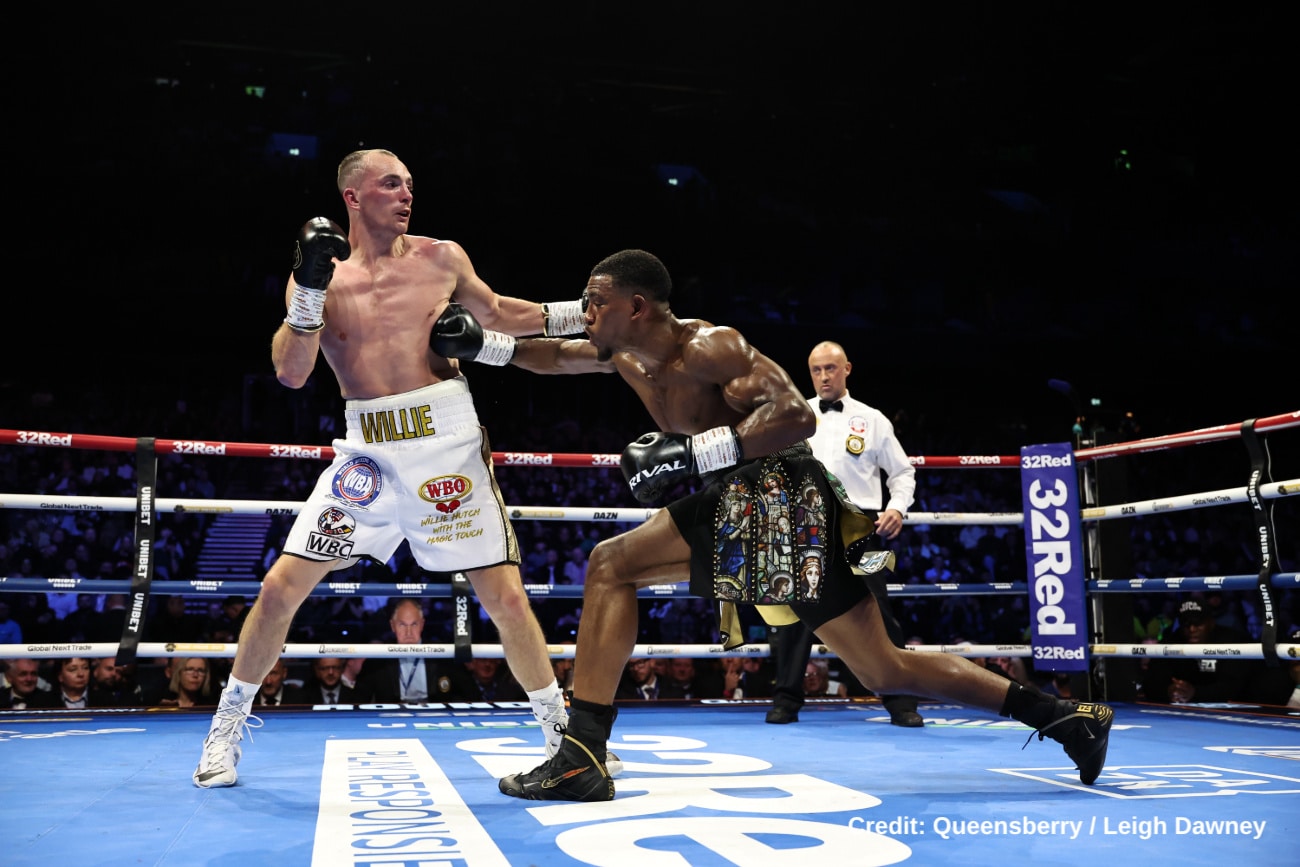
Heavyweight has no ceiling. Oleksandr Usyk vacated his belts in 2026, and the division split four ways. Agit Kabayel was elevated to WBC champion. Daniel Dubois won the WBO title by stopping Fabio Wardley in the 11th round in Manchester on May 9, 2026. Filip Hrgovic took the vacant IBF belt by stopping Moses Itauma at the O2 in London on August 29, 2026. Murat Gassiev holds the WBA title.
Cruiserweight tops out at 200 pounds. David Benavidez moved up and knocked out Gilberto Ramirez in six rounds on May 2, 2026 to take the WBA and WBO belts. Michal Cieslak holds the WBC title. The IBF belt is vacant.
Bridgerweight, named by the WBC after Bridger Walker, a six-year-old who shielded his sister from a dog attack in 2020, has one champion: Ryad Merhy.
Light Heavyweight and Super Middleweight
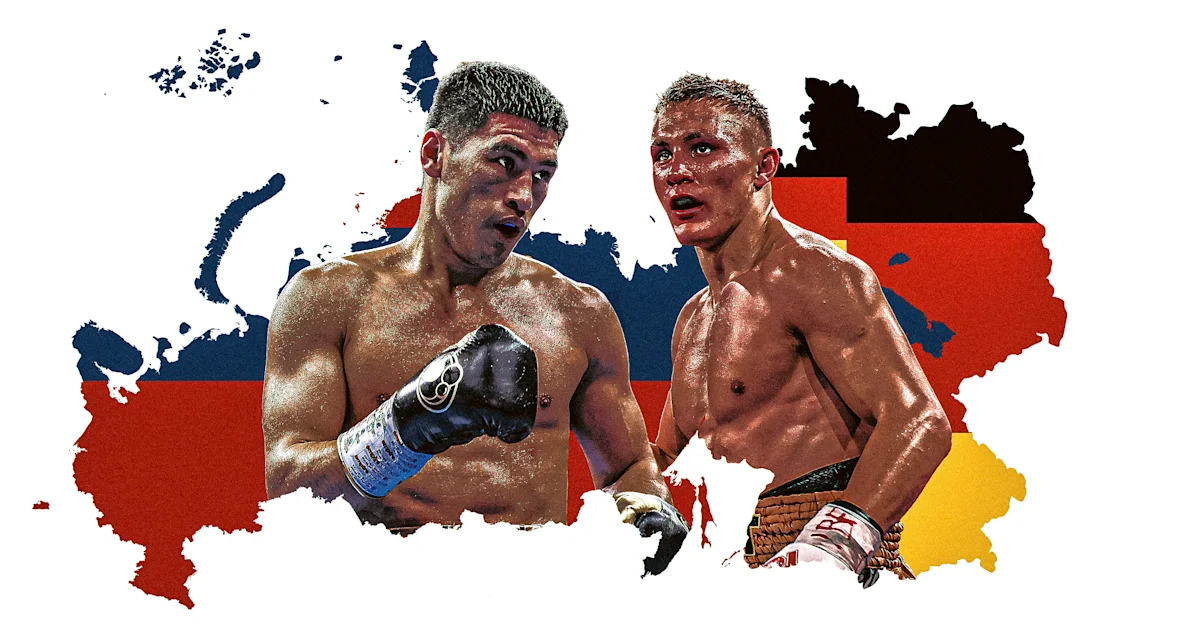
At 175, Dmitry Bivol holds the WBA super, IBF and WBO titles. He shut out Michael Eifert 120-107 on all three cards in Ekaterinburg on May 30, 2026. David Benavidez still holds the WBC belt and the WBA regular title even after moving to cruiserweight.
Super middleweight, 168, is wide open. Jaime Munguia has the WBA belt, Christian Mbilli the WBC, Osleys Iglesias the IBF. The WBO belt is vacant: Hamzah Sheeraz gave it up on September 18, 2026 rather than take a mandatory against Janibek Alimkhanuly.
Middleweight, Super Welterweight and Welterweight

Middleweight, 160: Erislandy Lara (WBA), Carlos Adames (WBC), Aaron McKenna (IBF) and Denzel Bentley (WBO), promoted from interim when Alimkhanuly moved up.
Super welterweight, 154: Jaron Ennis holds the WBA and WBO belts after beating Xander Zayas in Brooklyn on June 27, 2026. Sebastian Fundora has the WBC title and Josh Kelly the IBF.
Welterweight, 147: Teofimo Lopez outboxed Rolando Romero at T-Mobile Arena on August 22, 2026 to become a three-division champion and the WBA super champion. Jack Catterall holds the WBA regular belt, and the WBA has ordered the two to fight. Ryan Garcia has the WBC title, Liam Paro the IBF, and Devin Haney the WBO.
The 140 to 130 Lane
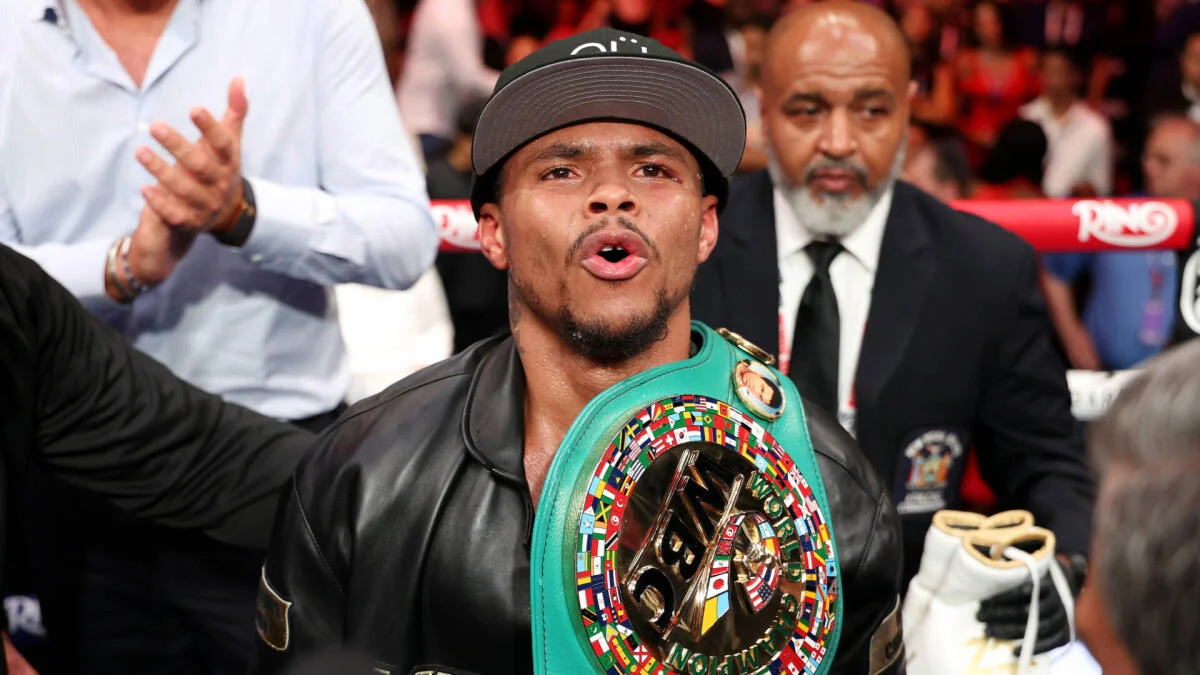
Super lightweight, 140: Shakur Stevenson took the WBO belt from Teofimo Lopez in January 2026. Gary Antuanne Russell holds the WBA title and Dalton Smith the WBC. The IBF belt is vacant.
Super featherweight, 130: Emanuel Navarrete holds the WBO and IBF belts and faces WBC champion O'Shaquie Foster in a three-belt unification in San Antonio on October 24, 2026. Anthony Cacace is the WBA super champion with Elnur Samedov as regular champion.
Lightweight and Featherweight
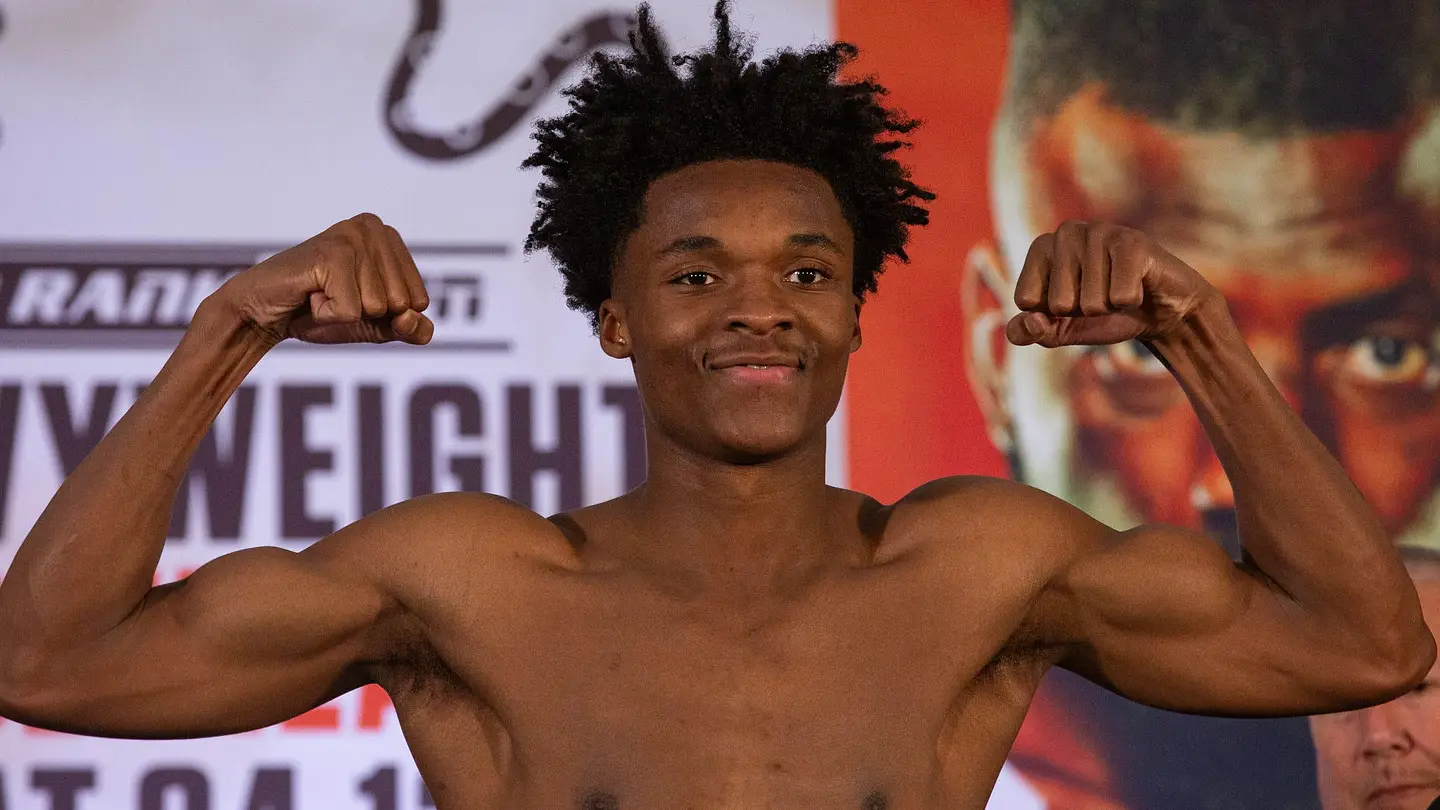
Lightweight, 135, has two vacancies. The WBA and IBF belts are empty, with Gervonta Davis listed by the WBA as champion in recess. William Zepeda holds the WBC title. Abdullah Mason has the WBO belt.
Featherweight, 126: Brandon Figueroa (WBA), Bruce Carrington (WBC), Angelo Leo (IBF) and Rafael Espinoza (WBO).
Bantamweight Down to Minimumweight

Super bantamweight, 122, belongs to one man. Naoya Inoue holds all four belts and kept them by outpointing Junto Nakatani in front of 55,000 at the Tokyo Dome on May 2, 2026.
Bantamweight, 118: Jesse Rodriguez stopped Antonio Vargas in six rounds in June to become WBA super champion, with Riku Masuda as regular champion. Takuma Inoue holds the WBC belt, Jose Salas Reyes the IBF, and Christian Medina the WBO.
Super flyweight, 115: David Jimenez (WBA), Ricardo Malajika (WBC), Andrew Moloney (IBF), Kenshiro Teraji (WBO).
Flyweight, 112: Ricardo Sandoval holds the WBA and WBC belts, Masamichi Yabuki the IBF, Anthony Olascuaga the WBO.
Light flyweight, 108: Daiya Kira (WBA), Shokichi Iwata (WBC), Thanongsak Simsri (IBF), Rene Santiago (WBO).
Minimumweight, 105: Oscar Collazo holds the WBA super and WBO belts, with Takeshi Ishii as WBA regular champion. Siyakholwa Kuse has the WBC title and Pedro Taduran the IBF.
How Weigh-Ins and Rehydration Work
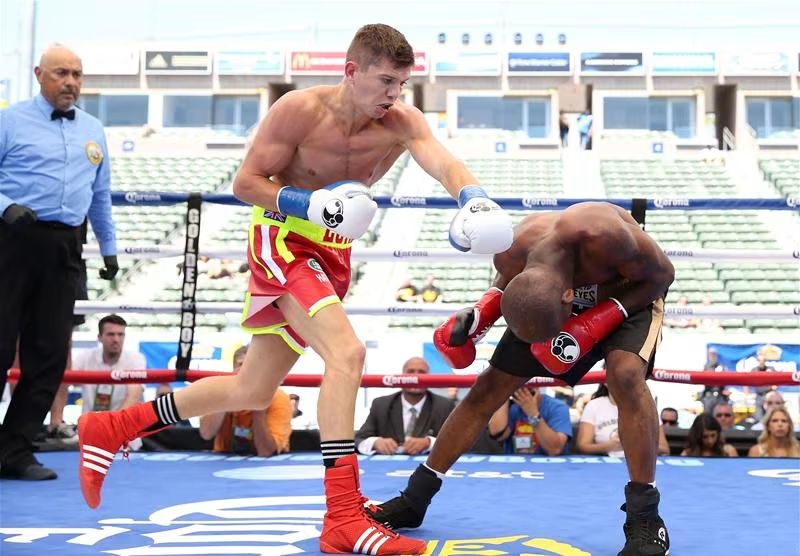
The official weigh-in happens the day before the fight, which leaves roughly 16 to 36 hours before the first bell. In that window, fighters drink, eat and put weight back on. Nutritionists working with boxers describe refilling glycogen stores with carbohydrates, where each gram of glycogen binds about three grams of water, so a fighter can add around 5 pounds from food alone before counting fluids.
The IBF is the one sanctioning body that polices this. Its rules call for a second check on fight morning, and a champion or challenger cannot be more than 10 pounds over the division limit. When Daniel Jacobs skipped that check before fighting Gennady Golovkin, he gave up any claim to the IBF belt before the opening bell.
Promoters also write private rehydration clauses into contracts, with fines or purse penalties for breaking them.
What Catchweight Means
A catchweight is a limit negotiated for one fight that does not match any division. Manny Pacquiao fought Miguel Cotto at 145, two pounds under welterweight. Jermain Taylor and Kelly Pavlik met at 166 in their rematch. Felix Trinidad and Roy Jones Jr. agreed to 171.
It also describes what happens when a fighter misses weight and the bout goes ahead anyway. The usual arrangement is a purse penalty, often a percentage split between the opponent and the commission. World titles are only awarded at standard limits, so a catchweight fight is never a title fight for the heavier man.
Undisputed, Unified, Regular and Franchise

Undisputed means one fighter holds all four belts: WBA, WBC, IBF and WBO. Naoya Inoue at 122 is the only undisputed champion in this list. Unified means two or three of the four, like Bivol at 175 or Navarrete at 130.
Then there are the extra belts. The WBA runs a "super" champion above a "regular" champion in several divisions, which is how welterweight has both Teofimo Lopez and Jack Catterall as WBA titleholders. Interim champions are stand-ins when a champion is injured or inactive. The WBC has used a "franchise" designation to move a star outside the mandatory system. None of these are the same as the full title.
How Boxing's Divisions Differ From the UFC's
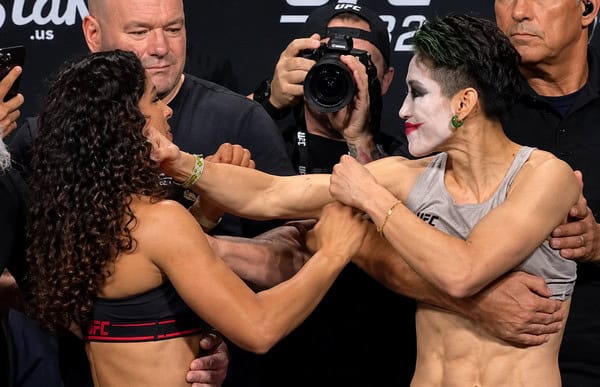
The UFC runs eight men's divisions, not 17, and the gaps are wider. Flyweight is 125, bantamweight 135, featherweight 145, lightweight 155, welterweight 170, middleweight 185, light heavyweight 205, and heavyweight runs from 206 to 265. A UFC lightweight at 155 is a boxing super welterweight.
The other difference is the belts. The UFC has one champion per division and one promoter deciding who fights for it. Boxing has four sanctioning bodies, each with its own rankings, mandatories and politics, which is why one weight can have five or six people calling themselves champion at the same time.
Seventeen divisions is fine. Four belts per division is not, and the regular, interim and franchise straps on top of that are a tax on fans who just want to know who the champion is. Look at welterweight right now: Lopez, Catterall, Garcia, Paro and Haney all have hardware, and only one of them can say he beat the others. That is why Inoue matters. One man, four belts, no asterisk, and he had to beat Nakatani in front of 55,000 people to keep it. Also, the IBF's 10-pound fight-morning check is the single smartest rule in the sport and the other three bodies should copy it tomorrow. A day-before weigh-in with no second check is just a license to fight two divisions above your scale weight. Respect the fighters who make weight honestly. Stop rewarding the ones who do not.
QUESTIONS PEOPLE ASK.
What is the heaviest weight class in boxing?
Heavyweight. There is no upper limit, and anyone over 200 pounds (90.7 kg) qualifies. The WBC also recognizes bridgerweight, a 224-pound division between cruiserweight and heavyweight, but the IBF and WBO do not sanction it, so most of boxing still treats heavyweight as the top of the sport and cruiserweight at 200 as the division directly below it.
Why are there four champions in each boxing weight class?
Because four sanctioning bodies, the WBA, WBC, IBF and WBO, each award their own world title. They keep separate rankings and order their own mandatory defenses, so one division can have four full champions plus interim and WBA regular titleholders. A fighter who collects all four belts in one division is called undisputed, which is rare. In October 2026, Naoya Inoue at super bantamweight is the only example in the 17 divisions.
How much weight do boxers gain after the weigh-in?
It varies, but with weigh-ins held the day before, fighters typically have 16 to 36 hours to eat and drink. Refilling carbohydrate stores alone can add about 5 pounds, since each gram of glycogen holds around three grams of water, and fluids add more. The IBF caps fight-morning weight at 10 pounds over the limit for its title fights. Other bodies rely on private rehydration clauses written into the contract.
What is a catchweight in boxing?
A catchweight is a limit negotiated for a single fight that does not match a standard division. Manny Pacquiao fought Miguel Cotto at 145 pounds, and Felix Trinidad met Roy Jones Jr. at 171. The term also covers a bout that goes ahead after one fighter misses weight, usually with a purse penalty. Since world titles are only awarded at standard limits, a catchweight bout cannot crown a champion at that weight.
Which boxing weight class is a UFC lightweight?
A UFC lightweight weighs in at 155 pounds, which puts him between boxing's welterweight limit of 147 and super welterweight at 154. In practice he would be a boxing super welterweight or small middleweight. The UFC uses eight men's divisions with wider gaps, while boxing splits the same range into 17, so almost every UFC division overlaps two or three boxing weight classes.
- WBA: Current WBA Champions
- WBC: Main Ratings and Champions
- IBF/USBA: Champions
- WBO: Male Champions
- Al Jazeera: Dubois stops Wardley to take WBO heavyweight title
- The Ring: Sheeraz vacates WBO 168-pound title
- The Ring: Janibek heads to 168, Bentley elevated to full WBO champion
- Al Jazeera: Inoue beats Nakatani to retain undisputed title
- Wikipedia: Weight class (boxing)
- Boxing News: How to refuel after weighing in
Figures in this piece come from the sources above; purses, deals and net worth totals are estimates unless a commission or the fighter disclosed them. Spotted an error? Send a correction.