How Boxing Scoring Works: The 10-Point Must System Explained
Boxing is scored by three judges on the 10-point must system: the round winner gets 10, the loser 9 or fewer, and whoever leads on two of three cards wins.

Boxing scoring works like this: three judges sit at ringside, and after every round each gives the round winner 10 points and the loser 9 or fewer. Add up the rounds, and whoever leads on at least two of the three cards wins. That is the 10-point must system, and every major commission uses it.
Simple on paper. In practice it is the most argued-about thing in boxing, because three people in three different seats will not always agree on a round, and a 12-round fight gives them 12 chances to disagree.
Here is what judges look for, how knockdowns and fouls move the numbers, how to read a card, and why some huge fights ended with everyone yelling at the judges.
- Scoring system
- 10-point must, three judges (ABC Unified Rules)
- Knockdown round
- Usually 10-8; two knockdowns usually 10-7
- Intentional foul
- Mandatory two-point deduction by the referee
- Canelo vs GGG 1 cards
- 118-110 Canelo, 115-113 GGG, 114-114
- Pacquiao vs Bradley 1
- Split decision, all three cards 115-113
- WBC open scoring
- Scores announced after rounds 4 and 8
What Is the 10-Point Must System?
The Association of Boxing Commissions' Unified Rules say two things that matter: every bout is scored by three judges, and the 10 Point Must System is the standard. The "must" means the round winner must get 10. The only question is what the loser gets.
The WBO's judging guide lays out the rule of thumb. A 10-9 round means one fighter "routinely won the round." A 10-8 means a knockdown, or a round won "in an extremely decisive manner, including hurting their opponent." A 10-7 usually needs two knockdowns, and 10-6 means more than two. A 10-10 even round is allowed but, in the guide's words, "it should rarely happen."
Each round is scored on its own. The WBO guide says a judge should not hand out rounds "just to make your scorecard closer in a close fight." A fighter can win nine rounds narrowly, lose three badly, and still win. That is the system working as designed.
What Are Boxing Judges Told to Score?
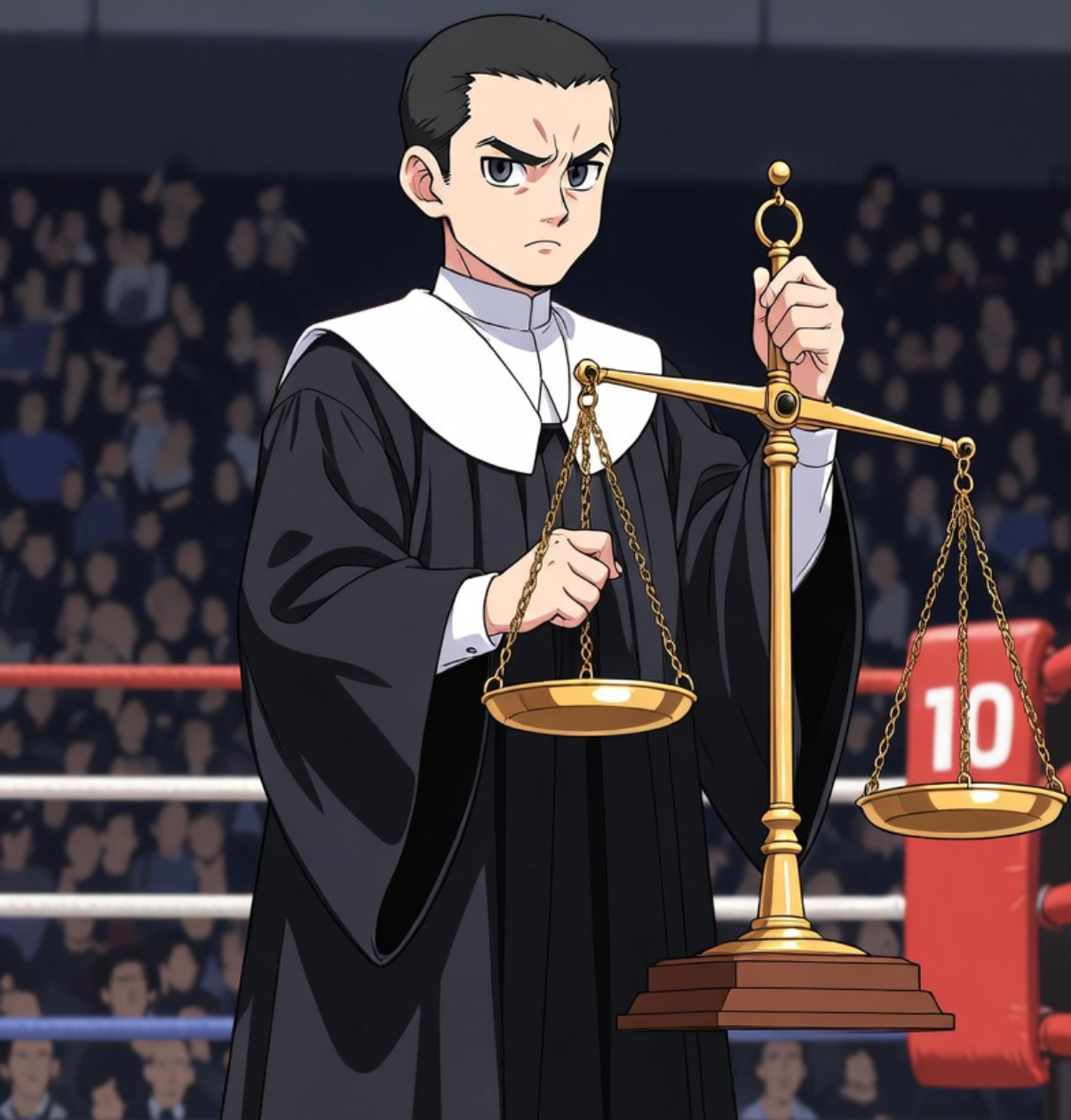
Four criteria, roughly in order of importance.
Clean and effective punching comes first. The WBO guide: "Fights are won by clean and effective punches landing." Judges weigh how many land and how hard, and body shots count.
Effective aggression is second, and "effective" does all the work. Walking forward is not aggression if you eat three counters for every punch landed. If the aggressor "is beaten to the punch, this is not effective aggressiveness."
Ring generalship means controlling where and how the fight happens. But the guide draws a line: "Running and simply avoiding action should not be rewarded."
Defense is last, and it means defense while punching, not instead of it. The guide notes that "good defense is not holding or clinching to avoid contact."
The first criterion decides most rounds. The rest are for when the punching is close.
How Do Knockdowns Change a Round?

A knockdown is the fastest way to swing a fight. One normally makes a round 10-8, the same as winning two ordinary rounds. Two in one round usually makes it 10-7.
It is not automatic. The WBO guide warns: "Do not assume that a knockdown for a boxer gives him an automatic 10-8 round," especially an early one. If the fighter who got dropped gets up and dominates the rest of the round, hurting the other guy, the judge may score it only 10-9 for the fighter who scored the knockdown. And if the fighter who scored it also batters his opponent the rest of the way, a single knockdown can be a 10-7.
The guide also cautions against the last-second flurry. A landed punch counts the same in the first ten seconds as the last ten, so a wild rally should not "steal" a round.
How Do Point Deductions Work?
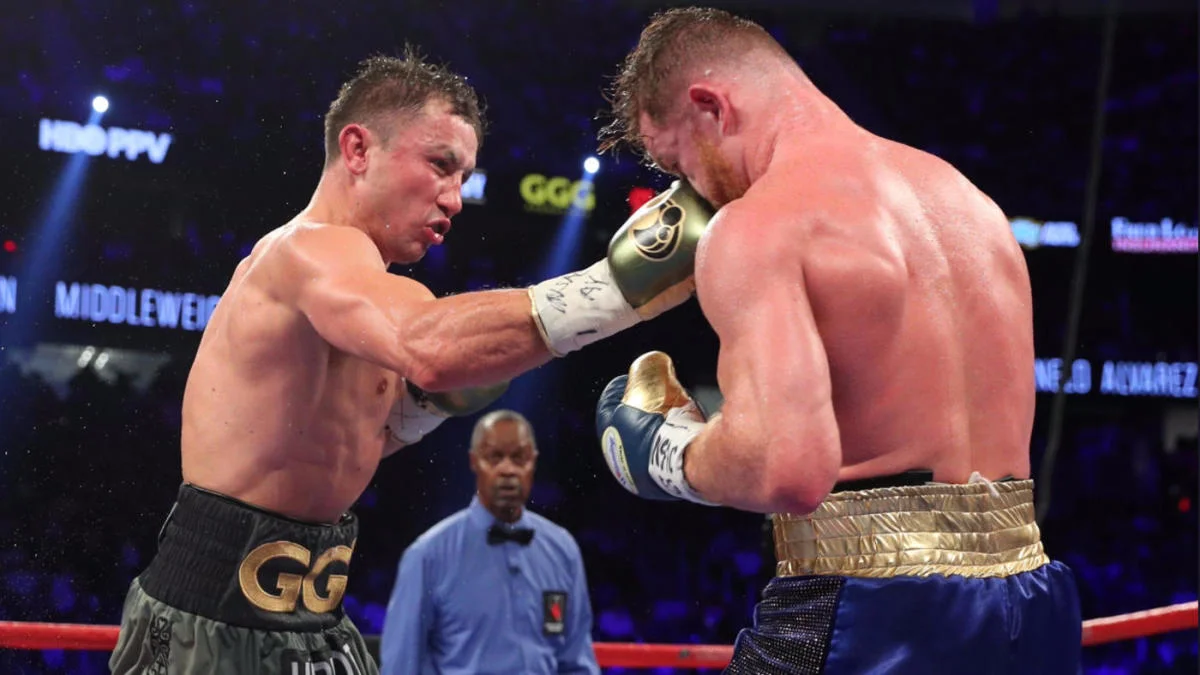
Judges cannot take points. Only the referee can. The ref stops the action, tells the judges, and the judges score the round normally, then subtract the penalty. Win the round 10-9 but lose a point and it is 9-9. Lose two and a round you won becomes 8-9.
Under the Unified Rules, intentional fouls carry a mandatory two-point deduction. If an intentional foul causes an injury that ends the fight immediately, the fouler is disqualified. If the injured fighter is forced out after round four, he wins a technical decision if ahead on the cards and gets a technical draw if behind or even.
Accidental fouls are different. If a clash of heads stops the fight before four completed rounds, it is a no decision. After four, the cards decide it and the fighter ahead wins a technical decision.
Why Do Boxing Judges Disagree So Much?
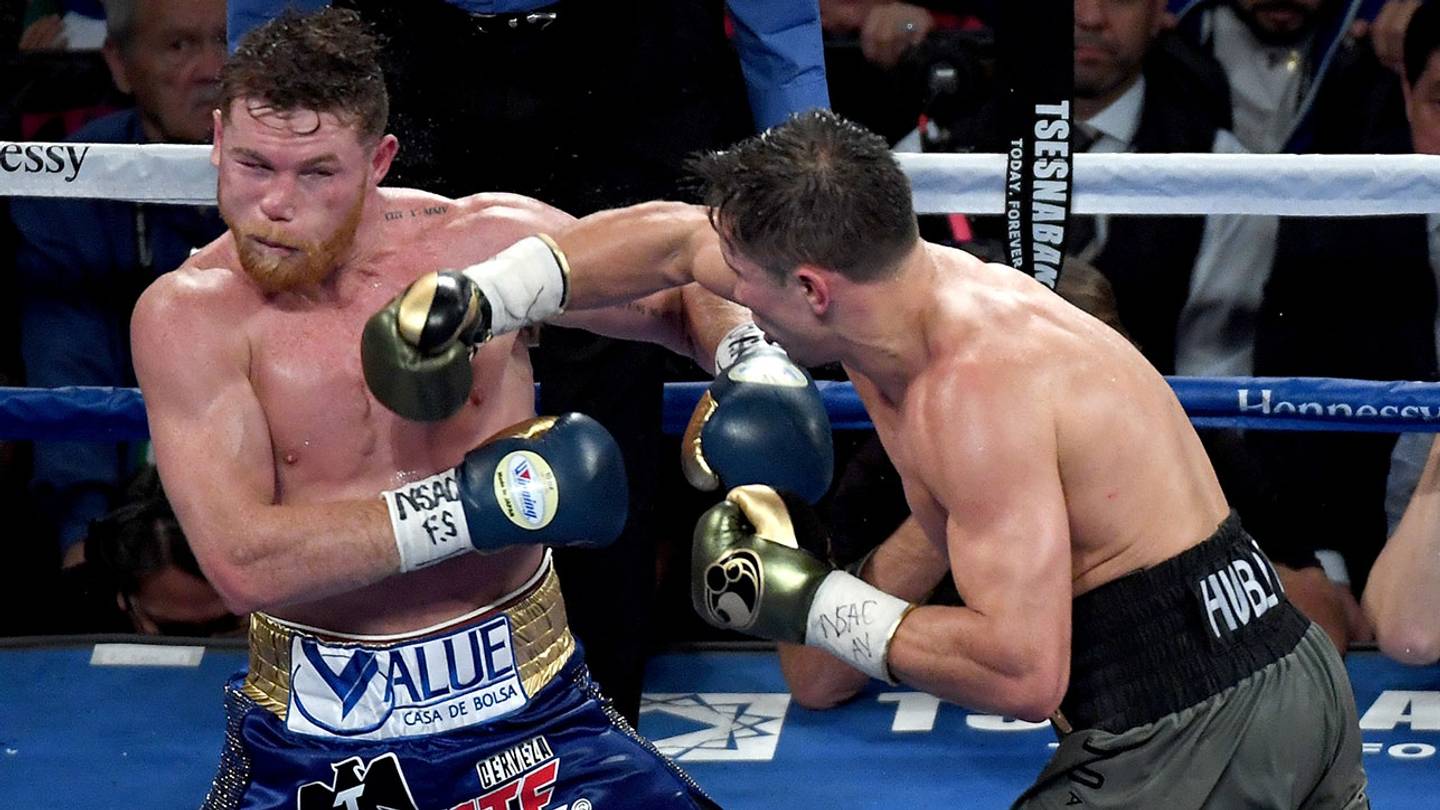
Because they are three humans at ring level, each with a fighter's back in their face for part of every round, scoring in real time with no replay. A body shot on the far side looks like a glancing blow from one seat and a thud from another. Weigh the four criteria differently and honest judges land on different cards.
Then there are the cards nobody can explain. On September 16, 2017, at T-Mobile Arena in Las Vegas, Canelo Alvarez and Gennadiy Golovkin fought to a split draw: Dave Moretti had it 115-113 Golovkin, Don Trella had it 114-114, and Adalaide Byrd had it 118-110 for Canelo Alvarez. CompuBox had Golovkin landing 218 of 703 punches to Canelo's 169 of 505.
Nevada executive director Bob Bennett said Byrd's "score was too wide" and sat her out of major fights: "Like in any profession, you have a bad night." Nonito Donaire had seen it before: when he lost to Jessie Magdaleno in November 2016, the other two judges had it 116-112 and Byrd had it 118-110.
How Do You Read a Boxing Scorecard?
In a 12-round fight with no knockdowns or deductions, the two numbers add up to 228, and the gap tells you the round split. 115-113 is seven rounds to five. 116-112 is eight to four. 118-110 is ten to two. If the total is under 228, someone got dropped or docked a point.
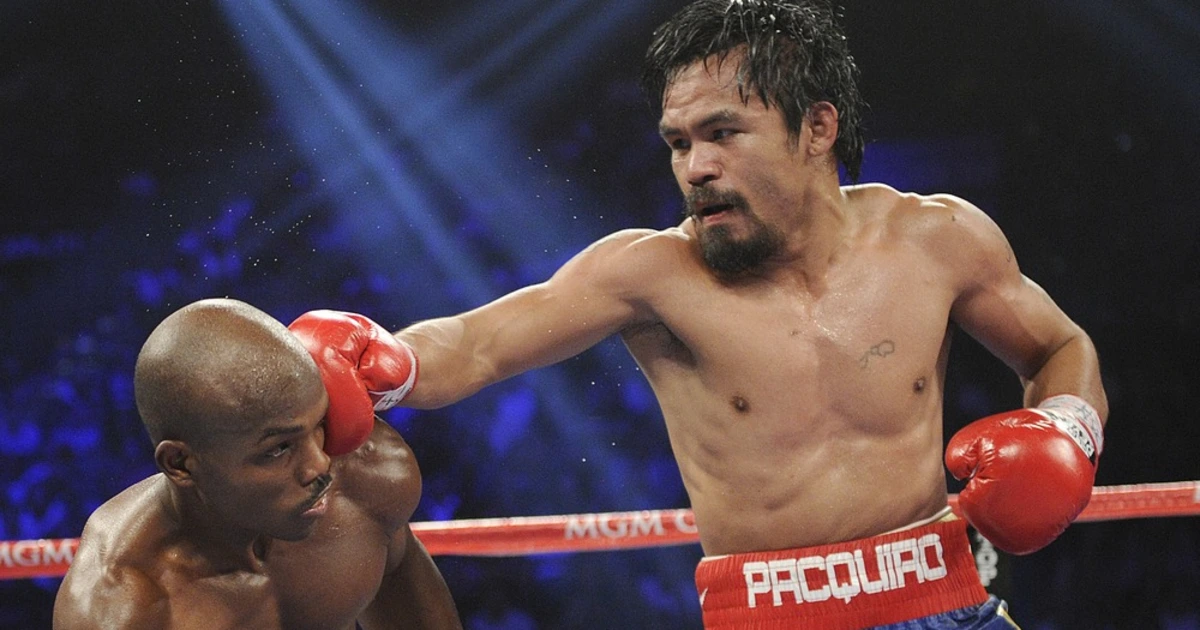
Pacquiao vs Bradley 1 is the lesson. On June 9, 2012, at the MGM Grand, Jerry Roth scored it 115-113 for Manny Pacquiao, while C.J. Ross and Duane Ford each had it 115-113 for Timothy Bradley. All three saw a seven-to-five fight. They just disagreed on which seven. The AP punch count had Pacquiao landing 253 to Bradley's 159. Bradley himself said afterward: "Every round was pretty close. I got to go home and view the tape and see if I really won." The WBO had five judges rescore it, all five had Pacquiao winning, and the WBO still said it could not overturn the result.
Unanimous, Split, Majority, Technical: What Do They Mean?
Unanimous decision: all three judges pick the same winner.
Split decision: two judges pick one fighter, the third picks the other. Pacquiao vs Bradley 1 was a split decision.
Majority decision: two judges pick the same winner and the third has it a draw. Fans mix this up with a split constantly.
Majority draw: two judges score it even, the third picks a winner. Split draw: one card each way and one even. Canelo vs Golovkin 1 was a split draw.
Technical decision: the fight is stopped on an accidental foul after four completed rounds and the cards decide it. Technical draw: the cards are even, or an intentionally fouled fighter who cannot continue was behind or even.
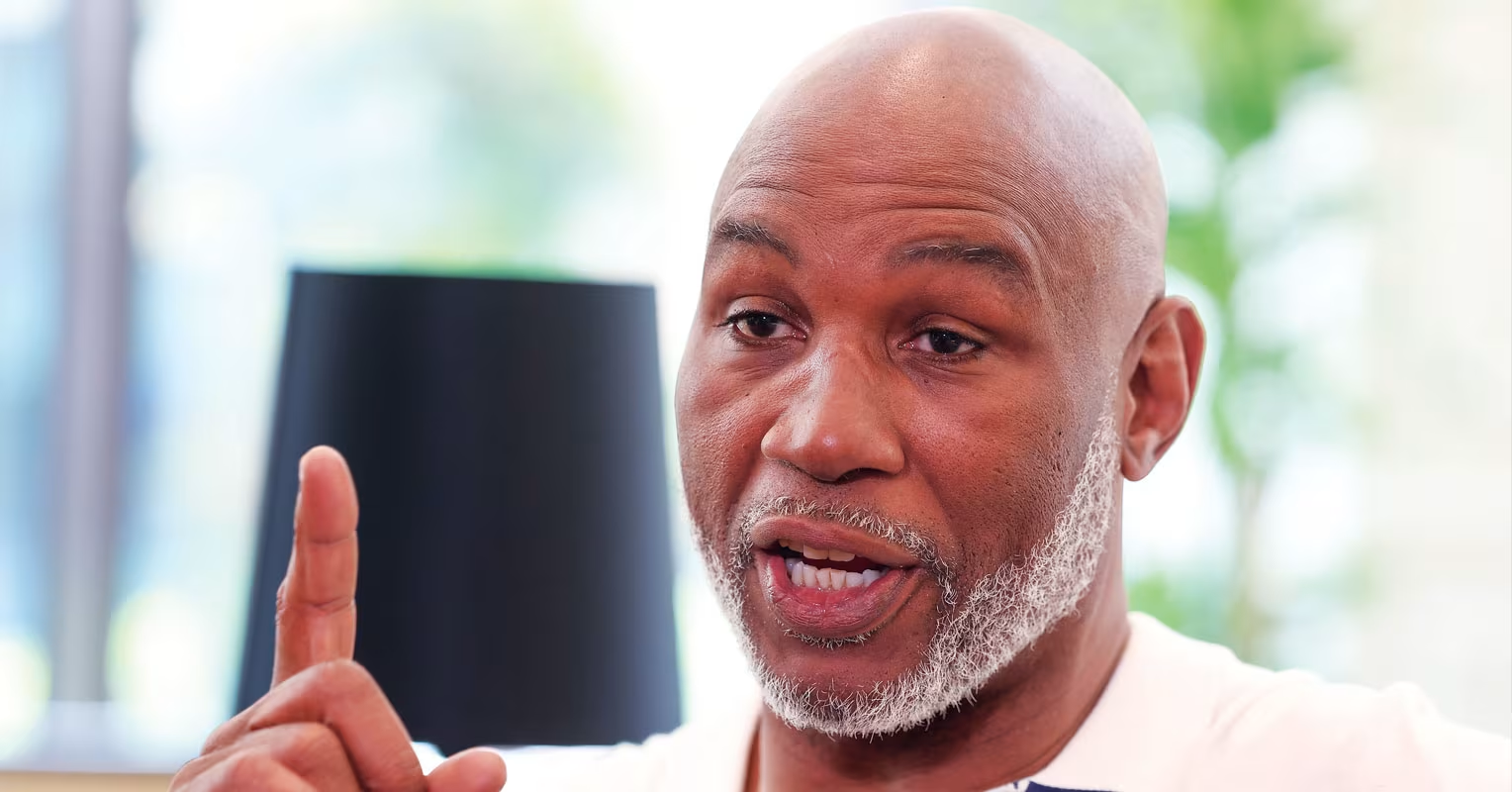
Lewis vs Holyfield 1 shows how one card makes a draw. On March 13, 1999, at Madison Square Garden, Stanley Christodoulou had Lennox Lewis winning 116-113, Larry O'Connell had it 115-115, and Eugenia Williams had Evander Holyfield winning 115-113: a draw, one card each way and one even. The punch count had Lewis landing 348 of 613 to Holyfield's 130 of 385. O'Connell later admitted he got it wrong. Williams gave Holyfield the fifth round, one Lewis dominated, and was later called before a federal grand jury to answer questions about the fight. Lewis won the rematch by unanimous decision that November.
What Is Open Scoring and Should Boxing Use It?
Open scoring means the judges' totals are read out mid-fight. The WBC version announces official scores after rounds four and eight, and it has been used in Mexico, Japan and elsewhere for well over a decade. WBC president Mauricio Sulaiman argues it lets "the corners know how the fight is going, and thus be able to adjust the strategy," and that "boxing needs innovation and transparency, in addition to justice."
The case against it is simpler. A fighter who learns he is up 79-73 after eight rounds has every reason to run for four, and the WBO guide already says running "should not be rewarded." Nobody has figured out how to make a fighter engage when the math says he need not. In early 2024 the WBC said it expected commissions in the United States and England to adopt the rule.
No system fixes a 118-110 card. Better training and commissions willing to sit a judge down are what move the sport. The 10-point must system is fine. The people filling in the boxes are the variable.
Here is the thing about judging that nobody wants to hear: the system is not the problem. Ten-point must is clear, the criteria are written down, and the WBO guide even tells judges not to let a flurry steal a round. Then Adalaide Byrd turns in 118-110 in a fight CompuBox had Golovkin winning on volume, and Nevada's answer is a break and a chat. I have sat ringside in Vegas enough to know how hard it is to see the far side of the ring. That is an argument for better seats and more training, not for excusing a ten-rounds-to-two card. Open scoring is a nice conversation. It does not stop the Pacquiao vs Bradley cards, where all three judges saw seven to five and two of them saw it backwards. Hold judges to their cards publicly, every time, and the rest takes care of itself.
QUESTIONS PEOPLE ASK.
What does 10-point must mean in boxing?
The winner of each round must receive 10 points, and the loser gets 9 or fewer. A 10-9 is a normal round, 10-8 usually means a knockdown or a dominant round, 10-7 usually means two knockdowns, and 10-10 is a rare even round. The three judges' round scores are added up over the fight, and the fighter who leads on at least two of the three cards wins the decision.
What is the difference between a split decision and a majority decision?
A split decision means two judges picked one fighter and the third judge picked the other, as in Pacquiao vs Bradley 1 in 2012. A majority decision means two judges picked the same winner while the third judge scored the fight a draw. In both cases the fighter with two cards wins. A unanimous decision means all three judges agreed on the winner.
How do you read a boxing scorecard like 115-113?
In a 12-round fight with no knockdowns or point deductions, the two numbers add up to 228, and the gap shows the round split. 115-113 means seven rounds to five, 116-112 means eight to four, and 118-110 means ten to two. If the total is less than 228, at least one fighter was knocked down or lost a point to a referee deduction somewhere in the fight.
What is a technical decision in boxing?
Under the ABC Unified Rules, if an accidental foul such as a clash of heads stops a fight before four completed rounds, the result is a no decision. If it happens after four completed rounds, the judges' scorecards at that point decide the winner, and the fighter ahead wins by technical decision. If the cards are even, the fight is a technical draw.
What is open scoring in boxing?
Open scoring means the judges' running totals are announced during the fight rather than only at the end. The WBC version reads the official scores after the fourth and eighth rounds and has been used in Mexico, Japan and other countries. Supporters say it lets corners adjust strategy and adds transparency. Critics argue a fighter who knows he is comfortably ahead has every reason to avoid action late.
- WBO: The 10 Point System (judging guide)
- Association of Boxing Commissions: Unified Rules of Boxing
- Bad Left Hook: Canelo vs Golovkin results, fight ends in disputed draw
- DAZN: Who won Canelo Alvarez vs Gennadiy Golovkin 1? Rescoring the first fight
- Sports Illustrated: Judge Adalaide Byrd on a break after Golovkin vs Canelo
- CBS Sports: Donaire gets deja vu from Adalaide Byrd's 118-110 card
- Wikipedia: Manny Pacquiao vs Timothy Bradley
- The Ring: On this day, Lennox Lewis held to contentious draw with Evander Holyfield
- CBS News: Lewis-Holyfield ends in draw
- WBC: Mauricio Sulaiman column on open scoring (January 2024)
Figures in this piece come from the sources above; purses, deals and net worth totals are estimates unless a commission or the fighter disclosed them. Spotted an error? Send a correction.