How Much Do Boxers Make Per Fight? Real Purses Explained
Club fighters make $500 to $5,000 per fight, TV undercard boxers $20,000 to $300,000, and Saudi-funded champions clear $10M to $100M plus. Here is every tier, sourced.

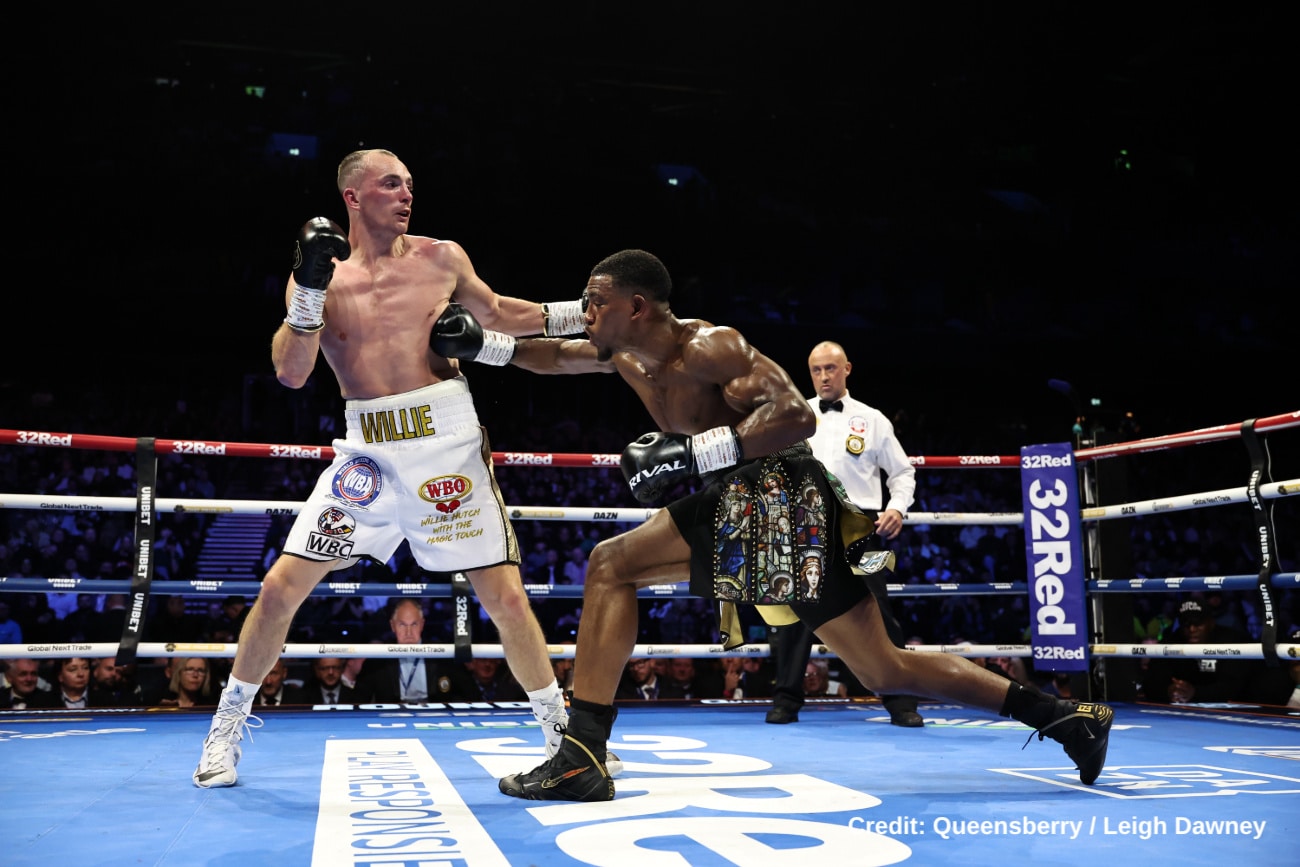
Most professional boxers make between $500 and $5,000 per fight. A four-round bout in Britain pays about £1,200, roughly $1,500, and a US club-show eight-rounder can pay around $4,000. Televised undercard fighters earn $20,000 to $300,000. Champions on Saudi-funded cards clear $10 million to $100 million or more, and Canelo Alvarez was paid well over $100 million for one night in 2025.
This explainer walks through every tier, using purses that state commissions actually disclosed where possible and labeling the reported figures where they did not. One warning up front: Nevada, Florida and Arizona stopped releasing fighter payouts around 2021, so the modern Las Vegas numbers are reports and estimates, not official records.
The other thing to understand is that the purse is a floor, not a total. The guaranteed money is what the commission sees. The pay-per-view share, the sponsor patches and the back-end bonuses are where stars actually get paid, and the team takes its cut before the fighter sees any of it.
- Club fighter, 4 rounds
- About £1,200 ($1,500), UK journeyman rate
- TV undercard
- $25,000 to $300,000 (NSAC, Wilder-Fury 2)
- Canelo vs Crawford 2025
- Over $100M for Canelo (reported)
- Usyk vs Fury 2 total
- $190M reported ($105M Usyk, $85M Fury)
- WBC sanctioning fee
- 3 percent of the purse
- Nevada manager cap
- 33 1/3 percent of the purse
What a Club Fighter Makes Per Fight

The floor is brutal. An Associated Press report on Britain's journeymen, the fighters with 100-plus losses who fill out small-hall cards, put a four-round bout at roughly £1,200 (about $1,500), a six-rounder slightly more, and some small-hall bouts as low as £500. The manager takes 15 percent of that. Fighters like Jamie Quinn, with 104 losses at the time, treat it as shift work.
The American club scene is not much better. Trainer Robert Garcia told reporters in January 2026 that one of his fighters had previously earned $4,000 for an eight-round club bout. On the Canelo vs Kovalev undercard in Las Vegas in November 2019, the Nevada commission disclosed purses of $5,000 for Carlos Ortiz and $12,000 for Cristian Olivas.
There is no legal minimum in most of the US. The Muhammad Ali American Boxing Revival Act, which passed the House in March 2026 and is now in the Senate, would set a floor of $150 per scheduled round and $25,000 in minimum injury coverage.
What TV-Level and Undercard Boxers Make
The middle of the sport is where the disclosed numbers are most useful. When Deontay Wilder fought Tyson Fury for the second time at the MGM Grand on February 22, 2020, the Nevada State Athletic Commission listed every purse. Emanuel Navarrete made $300,000. Heavyweights Charles Martin and Gerald Washington got $250,000 and $275,000. Subriel Matias made $50,000, Sebastian Fundora $40,000, Amir Imam $30,000 and Jeo Santisima $25,000.
The Canelo vs Kovalev card on November 2, 2019 told the same story. Ryan Garcia, already a social media star, was listed at $250,000. Bakhram Murtazaliev got $55,000, Seniesa Estrada and Marlen Esparza $50,000 each, and Blair Cobbs $20,000.
The Saudi cards moved the middle up. Reported purses for the Beterbiev vs Bivol undercard in Riyadh on October 12, 2024 included $4 million for Chris Eubank Jr., $1 million for Jai Opetaia, $400,000 for Fabio Wardley and $300,000 for Ben Whittaker. Those are reports, not disclosures.
What Champions and Superstars Make
At the top, disclosed purses stop telling the truth. Wilder and Fury were each listed at $5 million by Nevada in 2020, but CBS Sports noted both were actually guaranteed more than $25 million plus a percentage of the pay-per-view. Kovalev was listed at $3 million against Canelo's $35 million, with reports he could earn up to $12 million.
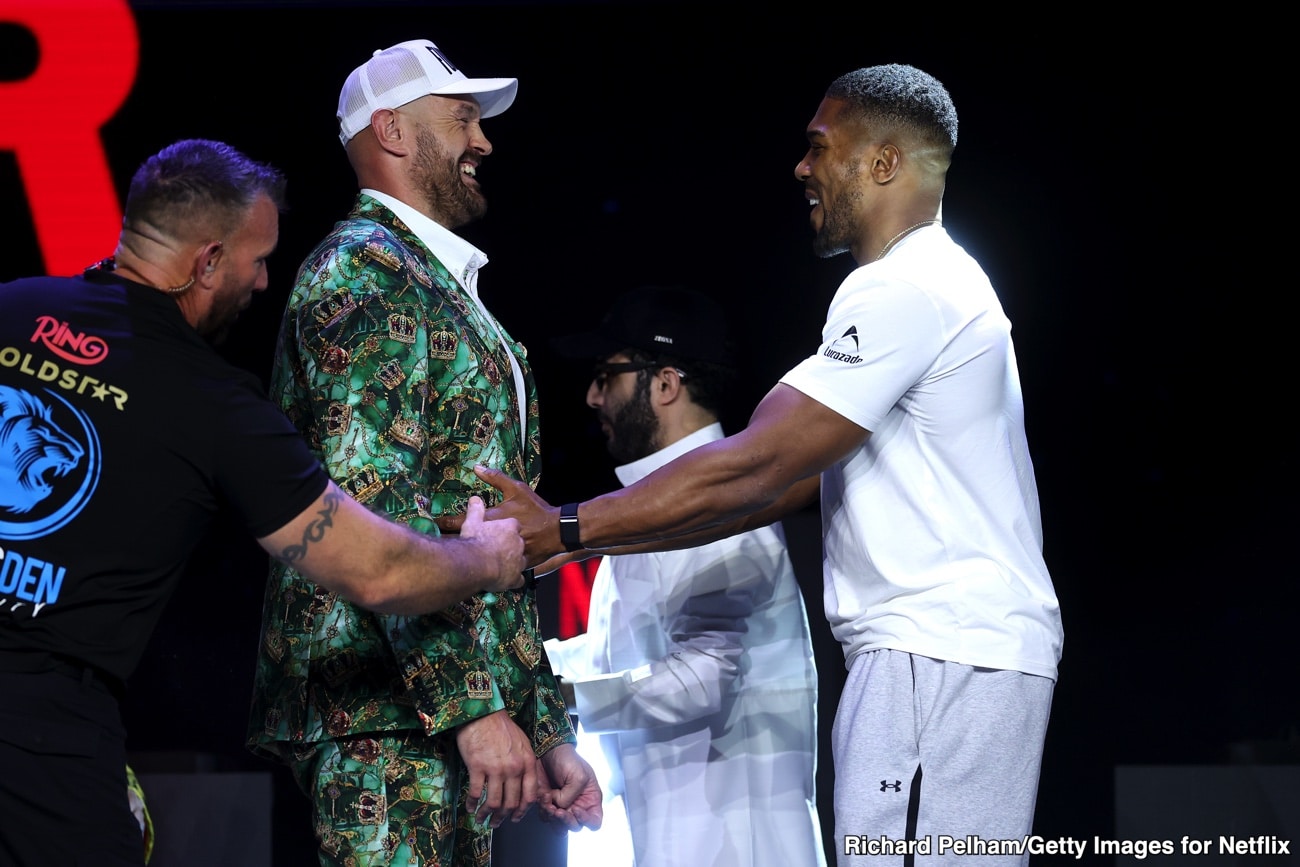
The real peaks are all reported. Mayweather vs Pacquiao on May 2, 2015 split about $600 million in revenue 60-40, with ESPN reporting Mayweather at $220 million to $230 million and Pacquiao a little north of $150 million. Fury vs Usyk in Riyadh on May 18, 2024 was reported at around $150 million total, split 70-30 in Fury's favor. The December 21, 2024 rematch was reported at $190 million, with Usyk taking $105 million and Fury $85 million. Anthony Joshua was reported at $50 million and Francis Ngannou at $20 million for their March 2024 fight in Riyadh.
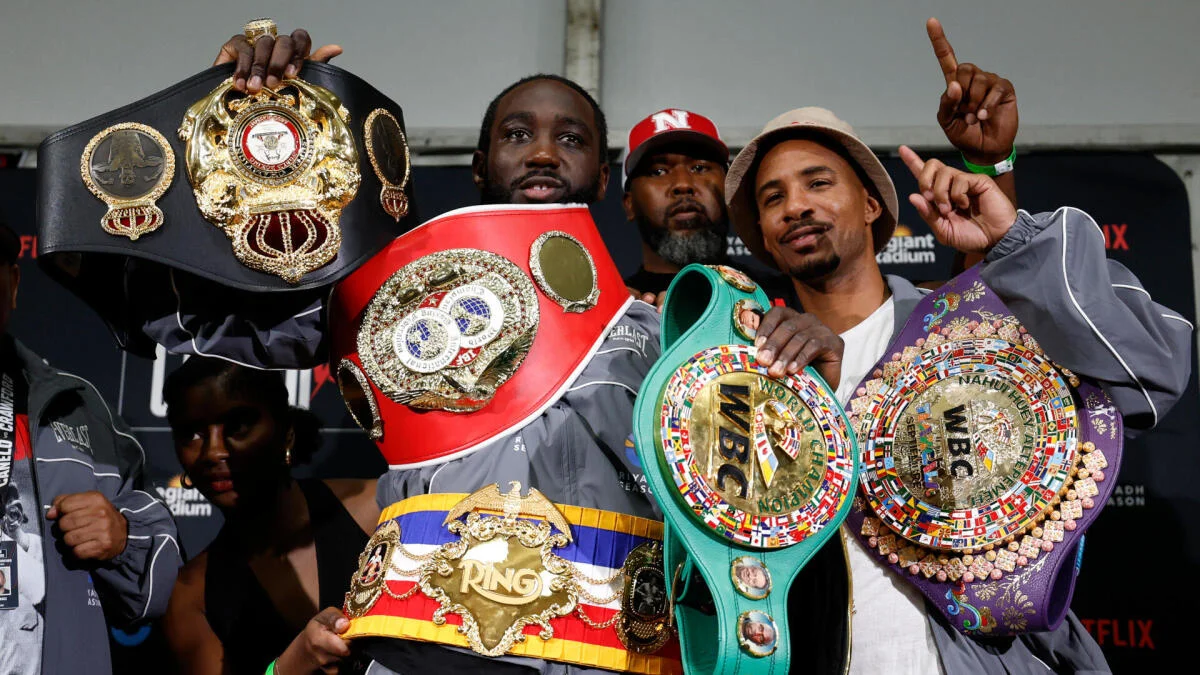
Then there is Canelo vs Terence Crawford on September 13, 2025 at Allegiant Stadium. Turki Alalshikh and Dana White both said Canelo's purse was over $100 million, with some outlets reporting $150 million, while Crawford said on his own podcast that he made $10 million. The fight drew 70,482 fans, a gate over $47 million and a 41.4 million global audience on Netflix. Nevada disclosed none of it.
How PPV Points Work
Pay-per-view points are the reason the guaranteed purse understates a star's income. The fighter gets a base guarantee, then a percentage of the pay-per-view revenue once it clears a threshold, paid weeks or months later. SportsLook's breakdown of purse reporting puts a typical share at 10 to 20 percent of PPV revenue, with elite fighters commanding more than 50 percent.
Gervonta Davis is the cleanest example of how the structure works. His reported deals included $1.5 million plus 60 percent of PPV for Hector Luis Garcia, $2 million plus 60 percent for Rolando Romero, and $1 million plus 60 percent for Mario Barrios. The Ryan Garcia fight in April 2023 was reported at a $5 million guarantee that grew to about $40 million once 1.2 million buys came in.
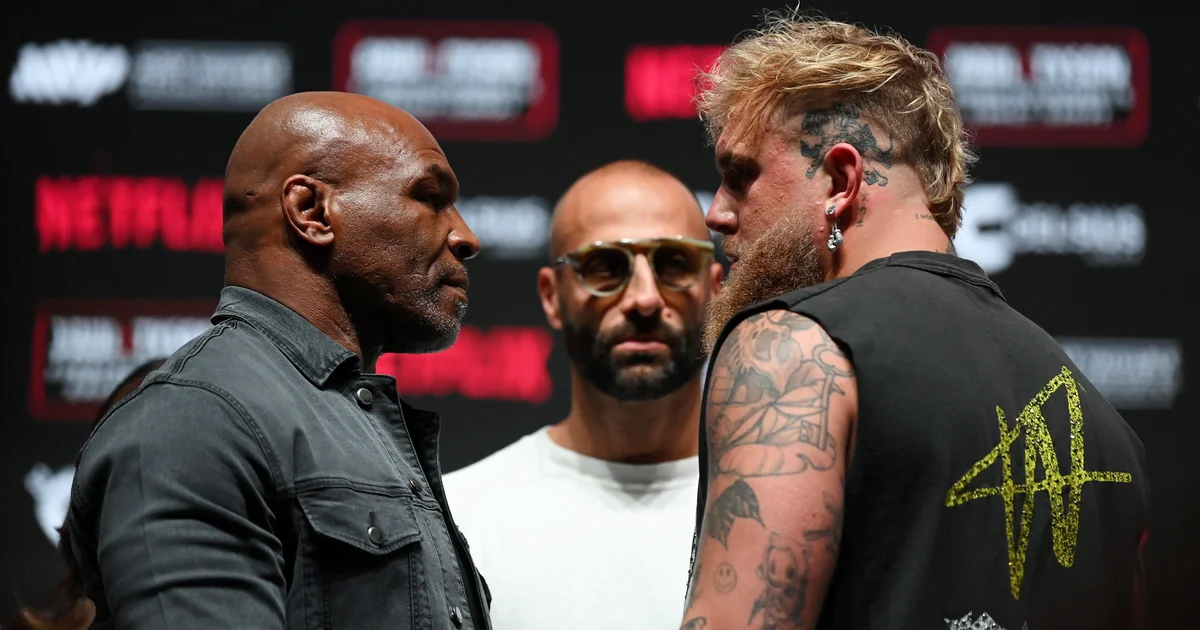
The Jake Paul vs Mike Tyson fight on November 15, 2024 shows the other side. Bout agreements that surfaced at auction in 2026 listed a contracted purse of $2 million each, verified by the Texas Department of Licensing and Regulation. That was the regulatory floor. The real money, estimated before the fight at $40 million for Paul and $20 million for Tyson, came from the Netflix revenue share on top.
Site Fees, Sanctioning Fees and Who Takes a Cut
A site fee is what a host city or country pays the promotion to stage a fight. Saudi Arabia put up a reported $40 million for Ruiz vs Joshua 2 in 2019, which Eddie Hearn called the premium for entry into a country like that, and Dan Rafael reported an offer of about $150 million for the Fury vs Joshua fight that never happened in 2021.
Sanctioning fees go the other direction. The WBC charges its champions 3 percent of the purse every time they fight for its belt, and WBC president Mauricio Sulaiman has floated raising it to 5 or 10. Terence Crawford learned what happens when you skip it: the WBC stripped him of the super middleweight title on December 3, 2025, saying it was owed $300,000 for the Canelo fight and had offered to take just 0.6 percent.
Then the team gets paid. Nevada caps a manager's cut at 33 and one-third percent of the purse. A breakdown by Pound4Pound's William Trillo put the trainer at about 15 percent, a manager or advisor at 20 to 25 percent, the cutman around 2 percent, and then the top federal tax bracket takes its share.
Why Saudi Money Changed the Math

Turki Alalshikh chairs Saudi Arabia's General Entertainment Authority, which bankrolls the Riyadh Season boxing events, and he bought The Ring magazine from Oscar De La Hoya in November 2024.
What it did to purses is simple. When a government pays the site fee, the fight no longer has to make its money back at the gate or on pay-per-view. Fury and Usyk split a reported $190 million for a rematch that would never have generated that in a normal market. Martin Bakole was reported to have earned about £3 million for four minutes against Joseph Parker on 48 hours' notice in 2025.
The concern is what happens when the checks slow. Alalshikh called reports of reduced spending 100 percent untrue in November 2025 and promised surprises in 2026. It has kept flowing into Las Vegas too: TKO president Mark Shapiro confirmed in February 2026 that Alalshikh's Sela was covering Conor Benn's reported $15 million purse for the Ryan Garcia fight, not Zuffa.
Zuffa Boxing and the Ali Act: What Changes Next
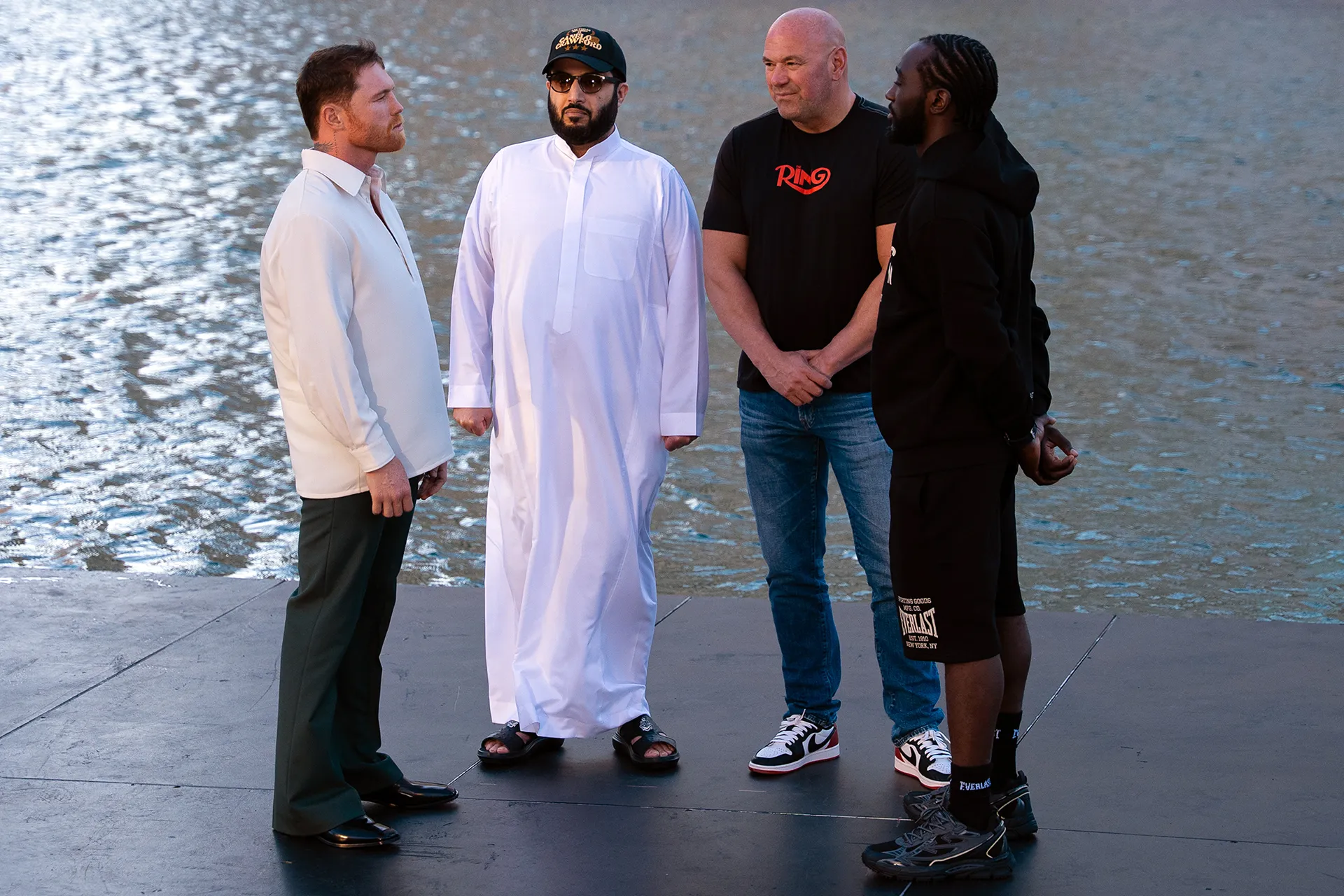
Dana White's Zuffa Boxing, backed by TKO and a reported $100 million Paramount deal for 12 shows a year, is the first serious attempt to run boxing on a UFC-style contract model. A reported pay sheet from March 2025 listed $20,000 for unranked ten-round fighters, $50,000 for fighters ranked 5 to 10, $125,000 for those ranked 3 to 4, $375,000 for title challengers and $750,000 for defending champions. Alalshikh called that report not factually accurate, but the disclosed early numbers landed close: White said Cain Sandoval and Julian Rodriguez each made $50,000 in January 2026, with Rodriguez adding a $100,000 performance bonus.
For the bottom of the sport, that is a raise. Robert Garcia's fighter went from $4,000 on a club show to about $16,000 under Zuffa. For the top, it is a ceiling, which is why Eddie Hearn has been loud about fighters not getting what they bargained for, and why Shakur Stevenson's undisclosed Zuffa deal, which he described as insane money, matters as a test case.
The Ali Revival Act is the legal side of the same fight. It passed the House by voice vote on March 24, 2026 with TKO's support, would allow Unified Boxing Organizations as an alternative to the WBC, WBA, IBF and WBO, and sets the $150-per-round minimum. Critics see a promoter writing its own rulebook. Supporters, including Mike Tyson and the California commission, see the first wage floor the sport has ever had.
For comparison, a UFC newcomer still signs for $10,000 to show and $10,000 to win in 2026. Boxing's bottom is lower, its top is higher, and the fight over the middle is the story of the next five years.
I grew up around fighters who would take a four-rounder for gas money, so the $100 million headlines never impressed me as much as the $5,000 undercard purses depressed me. Here is my read on where this goes. Saudi money is real, but it only reaches the top 50 fighters on earth. Everyone else is choosing between a promoter who pays $4,000 and hopes, or Zuffa's $20,000 with a contract that owns your career. Take the Zuffa check if you are unranked. Take your chances with the old system if you are a top-ten guy with a fan base, because that is the only spot where PPV points still change your life. And if you are betting on a Saudi card, remember the purses are not tied to the gate. Nobody in Riyadh needs the favorite to win to make money.
QUESTIONS PEOPLE ASK.
How much does a beginner pro boxer make per fight?
Very little. British journeymen fighting four-rounders earn about £1,200, roughly $1,500, and some small-hall bouts pay £500 before the manager takes 15 percent. In the US, disclosed Nevada purses for opening bouts on major cards have been as low as $5,000, and an eight-round club fight can pay around $4,000. Most prospects need a promoter's signing bonus or a day job to survive the first two years.
How much do boxers make from pay-per-view?
It depends on their leverage. A typical PPV share runs 10 to 20 percent of revenue after the guarantee is covered, while the biggest stars command more than half. Gervonta Davis' reported deals paired a $1 million to $2 million guarantee with 60 percent of PPV, which turned a $5 million guarantee against Ryan Garcia into a reported $40 million payday once 1.2 million buys came in.
Do boxers keep their whole purse?
No. Nevada allows a manager to take up to 33 and one-third percent, trainers commonly take 10 to 15 percent, a cutman takes around 2 percent, and the WBC charges champions 3 percent of the purse as a sanctioning fee. Federal and state taxes come out on top of all that. A fighter with a $1 million purse can reasonably expect to bank less than $400,000.
Why do boxers get paid so much more in Saudi Arabia?
Because the Saudi General Entertainment Authority pays a site fee that replaces the revenue a fight would normally have to earn from tickets and pay-per-view. Site fees reported for Saudi events have ranged from $40 million for Ruiz vs Joshua 2 in 2019 to an offer of about $150 million for a Fury vs Joshua fight in 2021. That money flows down to purses that a normal market could never support.
How much does Zuffa Boxing pay fighters?
Disclosed early purses were $50,000 per fighter, with a $100,000 performance bonus available, per Dana White in January 2026. A reported tier sheet from 2025 ran from $20,000 for unranked ten-round fighters to $750,000 for defending champions, though Turki Alalshikh disputed its accuracy. Stars like Shakur Stevenson have signed for undisclosed terms, and Conor Benn's reported $15 million purse was covered by Alalshikh's Sela rather than Zuffa.
- AP via Fox News: In Britain, 100-loss journeymen boxers punch the clock
- CBS Sports: Deontay Wilder vs Tyson Fury 2 fight purses
- MMA Mania: Official Canelo vs Kovalev fight purses
- MMA Mania: Canelo vs Crawford purses
- Forbes: The estimated purses for Canelo vs Crawford
- ESPN: Mayweather to make at least $220 million from Pacquiao fight
- MMA Mania: Usyk expected to bank $105 million for Fury rematch
- CBS Sports: WBC strips Terence Crawford over sanctioning fees
- Nevada Athletic Commission: Boxer/Manager contract notes
- CBS Sports: House passes Ali Revival Act
Figures in this piece come from the sources above; purses, deals and net worth totals are estimates unless a commission or the fighter disclosed them. Spotted an error? Send a correction.